Best Furnace Filter for Pets: MERV Ratings, Fit, and Buying Guide
The best furnace filter for pets captures airborne dander without restricting the airflow your furnace needs. Learn which MERV rating to choose, how to measure your filter, and when a thicker or more frequent replacement is worthwhile.
Best furnace filter for pets
The best furnace filter for pets is usually a properly fitted pleated filter with a MERV rating your HVAC system can handle—often MERV 8 to MERV 13. Higher filtration can capture more fine particles from pet dander, but an overly restrictive filter may reduce airflow, increase furnace strain, and make the home less comfortable. Filter fit, airflow, and replacement frequency matter as much as the MERV number.
What pet-related particles should a furnace filter capture?
Pets contribute several types of airborne material:
Pet hair: Larger hair is often caught by the return grille, furniture, or a prefilter before reaching the furnace filter.
Dander: Tiny flakes of skin that can remain airborne and trigger allergies.
Dust and tracked-in debris: Often mixed with dander and carried through the home.
Outdoor particles: Pets can bring pollen and other particles indoors on their fur and paws.
A furnace filter is primarily an air-cleaning and equipment-protection component. It can reduce airborne dander, but it will not remove hair from floors, furniture, carpets, or bedding. Regular vacuuming and grooming are still important.
Which MERV rating is best for pets?
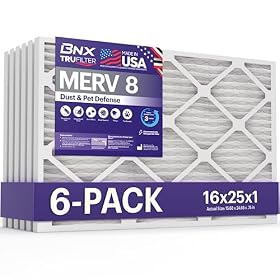
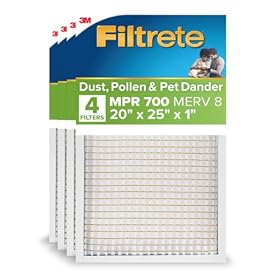
MERV 8: A reasonable low-restriction choice
MERV 8 filters are commonly suitable for basic residential HVAC systems and can capture many larger airborne particles, including some dust and pet-related debris. They may be a practical choice when the furnace manufacturer recommends a lower rating or when airflow is already weak.
Choose MERV 8 when:
Your system documentation does not support a higher rating.
You have noticeable airflow problems.
The filter slot is shallow or the system is older.
Your main goal is protecting the equipment rather than maximizing fine-particle filtration.
MERV 11: A middle-ground option
MERV 11 can provide more filtration than MERV 8 while generally remaining more airflow-friendly than the highest residential ratings. It may suit homes with pets and moderate sensitivity to dust or dander, provided the HVAC system is designed for the added resistance.
MERV 13: Stronger filtration, but check compatibility first
MERV 13 filters capture a greater share of smaller airborne particles than lower-rated filters. They can be useful in homes with multiple pets, allergy concerns, or a need for improved fine-particle filtration.
However, MERV 13 is not automatically the best choice for every furnace. A high-efficiency filter can create more resistance to airflow, especially when it is dirty, installed backward, or placed in a system with a restrictive filter cabinet. Check the furnace, air-handler, or filter-grille instructions before upgrading.
If the manufacturer specifies a maximum MERV rating, do not exceed it without guidance from a qualified HVAC professional.
Product prices and availability are accurate as of the date/time indicated and are subject to change. Any price and availability information displayed on Amazon.com at the time of purchase will apply to the purchase of this product.
The filter's actual size matters more than the number on the package
A filter that does not fit correctly can allow unfiltered air to bypass the media. Measure the existing filter or read its size marking before ordering a replacement.
Check three dimensions:
Length
Width
Actual thickness or depth
Nominal sizes printed on packaging may be rounded, while the filter's actual dimensions can be slightly different. Use the size printed on your current filter when possible, and compare it with the replacement manufacturer's listed dimensions.
The filter should sit securely in the slot without bowing, collapsing, or leaving large gaps around the edges. If the filter grille or cabinet is damaged, replacing the filter alone may not solve the bypass problem.
Product prices and availability are accurate as of the date/time indicated and are subject to change. Any price and availability information displayed on Amazon.com at the time of purchase will apply to the purchase of this product.
Should you choose a 1-inch filter or a thicker filter?
A thicker filter has more surface area for the same face size, which can allow more filtration media without the same level of resistance as a dense, shallow filter. Common depth options include 1-inch filters and deeper filters designed for compatible cabinets or return grilles.
A deeper filter is worth considering when:
Your system is designed for that depth.
You want longer service intervals.
A 1-inch filter becomes visibly loaded quickly.
Your HVAC professional confirms that the cabinet and blower can support it.
Do not force a deeper filter into a shallow slot. The filter must not obstruct the blower compartment, interfere with the grille, or prevent the access panel from closing properly.
Product prices and availability are accurate as of the date/time indicated and are subject to change. Any price and availability information displayed on Amazon.com at the time of purchase will apply to the purchase of this product.
Pleated filters are usually better for pet dander than basic fiberglass filters
Basic flat fiberglass filters are generally intended to protect equipment from larger debris and may offer limited fine-particle filtration. Pleated filters have more media surface and are typically the more practical choice for homes with pets.
Look for a pleated filter with:
The correct dimensions.
A MERV rating compatible with the HVAC system.
A firm frame that does not flex excessively during installation.
An airflow arrow that can be oriented toward the furnace or air handler.
More pleats or a higher advertised efficiency does not eliminate the need to verify airflow compatibility. The filter's MERV rating, depth, construction, and condition all affect resistance.
Product prices and availability are accurate as of the date/time indicated and are subject to change. Any price and availability information displayed on Amazon.com at the time of purchase will apply to the purchase of this product.
How often should you replace a furnace filter with pets?
Pets usually make filters load faster, but there is no single replacement schedule that fits every home. Inspect the filter monthly at first, especially during heavy heating or cooling use. Replace it when the media is visibly loaded with dust and dander, when the scheduled interval recommended by the manufacturer has passed, or when airflow begins to decline.
You may need more frequent replacement if:
You have multiple pets.
Pets shed heavily.
The home is dusty or under renovation.
The filter is only 1 inch thick.
Someone in the home has significant allergies.
The HVAC system runs for long periods.
A dirty filter can restrict airflow even if it has a suitable MERV rating. A lower-rated clean filter may move air better than a higher-rated filter that is overdue for replacement.
Installation details that affect performance
Turn off the HVAC system if the manufacturer's instructions recommend doing so, then remove the old filter and check the airflow arrow on the replacement. The arrow should point in the direction of airflow—usually toward the furnace or air handler on a return-side filter.
Before inserting the new filter:
Confirm that the size matches the slot.
Check that the frame is not crushed or bent.
Remove all packaging from the filter.
Look for gaps around the filter edge.
Close the grille or access panel completely.
Never operate the system without a filter unless the manufacturer or a qualified professional specifically directs you to do so.
Warning signs that the filter is too restrictive
A filter may be too restrictive for the system if you notice:
Weak airflow from multiple supply registers.
A whistling or unusually loud return grille.
The furnace cycling on and off too quickly.
Poor heating or cooling despite normal thermostat settings.
A filter that becomes heavily loaded unusually fast.
An evaporator coil that freezes during cooling operation.
These symptoms can also result from duct leaks, a blocked return, a failing blower, a dirty coil, or another HVAC problem. Do not assume the filter is the only cause.
If airflow remains weak after installing the correct clean filter, check that the return grilles are open and unobstructed. If the problem continues, turn to the furnace or HVAC manufacturer’s troubleshooting guidance or contact a qualified technician.
Best overall approach for a pet-owning home
For many homes, the practical starting point is a correctly sized pleated filter in the highest MERV range approved by the HVAC manufacturer. MERV 8 or MERV 11 may be appropriate for systems with limited airflow capacity, while MERV 13 can make sense when the system is designed to support it and fine-particle filtration is a priority.
Do not choose solely by the highest MERV number. A well-fitting, regularly replaced filter that preserves proper airflow is generally a better choice than an oversized rating that causes restriction or gets neglected because replacement filters are difficult to find.
If filters load rapidly, consider improving the filter cabinet or return setup with help from an HVAC professional rather than repeatedly installing increasingly restrictive 1-inch filters. If the filter frame no longer fits, the cabinet is damaged, or the furnace shows repeated airflow or overheating symptoms, a replacement part—or professional service—is more appropriate than simply changing filter brands.
FAQ
Is MERV 13 too high for a furnace with pets?
It may be too restrictive for some residential HVAC systems, especially systems with shallow filter slots or limited blower capacity. Check the furnace or air-handler documentation for the approved MERV range before using MERV 13.
Does a furnace filter catch pet hair?
It can catch some airborne hair, but most larger pet hair is caught by surfaces, return grilles, or prefilters before reaching the furnace filter. Vacuuming, grooming, and cleaning return grilles remain necessary.
Is a thicker furnace filter better for pet dander?
A compatible thicker filter can provide more filter media and may maintain airflow better than a dense 1-inch filter. It is only better if the furnace cabinet or grille is designed for that depth and the filter fits correctly.
How often should I change a furnace filter with two or more pets?
Inspect it monthly and replace it when it is visibly loaded or when the manufacturer’s interval has passed. Homes with multiple or heavy-shedding pets often need more frequent changes than homes with one low-shedding pet.
What should I do if a new pet filter reduces airflow?
Confirm that the filter is installed in the correct direction, is the correct size, and is not still covered in packaging. If airflow remains weak, reinstall only a manufacturer-approved filter and have a qualified HVAC professional check for duct, blower, coil, or return-air problems.