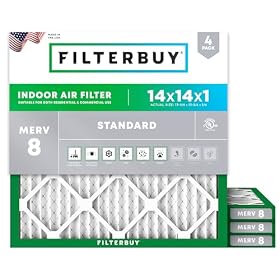
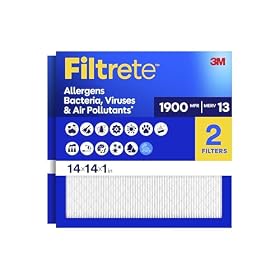
A 14x14x1 furnace filter may be a nominal size, not the filter’s exact measurements. Learn how to measure your filter, avoid airflow problems, and decide between a standard, custom, or grille-mounted replacement.
14x14x1 and other odd sizes
If you need a 14x14x1 furnace filter, start by checking the filter’s actual dimensions rather than buying by the printed size alone. A filter labeled 14 x 14 x 1 may be slightly smaller than those dimensions, and the exact size can vary by manufacturer. For unusual sizes, the safest approach is to measure the existing filter, confirm the airflow direction, and choose a replacement that fits without bending or leaving large gaps.
What “14x14x1” means
The three numbers generally describe the filter’s nominal length, width, and thickness in inches. The nominal size is used for shopping, while the actual filter may be somewhat smaller so it can slide into the filter slot.
The thickness also matters. A 1-inch filter should be replaced with a 1-inch filter unless the furnace, air handler, or filter grille is specifically designed for a different thickness. A thicker filter may not fit and can restrict airflow if installed in a space intended for a 1-inch filter.
Before ordering, check:
The size printed on the old filter
The actual length, width, and thickness
The arrow showing airflow direction
Whether the filter is installed at the furnace, return-air grille, or another location
The recommended MERV rating in the equipment manual or on the existing filter
How to measure an odd-size furnace filter
Remove the old filter and measure it with a tape measure or ruler. Measure the length, width, and thickness to the nearest fraction of an inch. Do not measure only the filter slot unless the old filter is missing or badly damaged; the slot may be designed to accept a filter with slightly different dimensions.
If the filter is labeled 14 x 14 x 1, record both the printed size and your actual measurements. When shopping, search using the nominal size first, then compare the listed actual dimensions with your measurements.
Check the filter opening when the old filter is unavailable
If there is no filter to measure, measure the inside dimensions of the filter track or grille. Leave enough clearance for the filter to slide in and out, but avoid choosing a filter that leaves a substantial unfiltered gap around the frame.
Look for a size label on the return grille, furnace cabinet, air handler, or owner’s manual. If the opening is unusual, the equipment manufacturer or an HVAC professional can help identify the correct replacement size.
Product prices and availability are accurate as of the date/time indicated and are subject to change. Any price and availability information displayed on Amazon.com at the time of purchase will apply to the purchase of this product.
Standard, custom, and alternate-size options
Standard filters labeled 14x14x1
A standard 14x14x1 filter is the simplest option when its listed actual dimensions fit your existing filter slot. Compare the dimensions before ordering because two filters with the same nominal size may not have identical actual measurements.
Replacement packs can be useful if the size and MERV rating are correct. Storing filters flat in a dry location helps keep the media and cardboard frame from becoming damaged before installation.
Custom-size filters
A custom filter may be the better choice when:
No standard filter fits the opening properly
The old filter has a nonstandard actual size
The frame is bent or damaged
A standard filter leaves excessive space around the edges
The filter is difficult to remove because it is too large
Custom filters can cost more and may take longer to receive. Confirm the manufacturer’s dimension convention before ordering: some listings emphasize nominal size, while others clearly state actual dimensions.
Filter grilles and adapters
If the filter fits into a return-air grille rather than the furnace cabinet, replacing the grille with a filter grille may provide a more consistent fit. This is a larger installation change, so confirm the opening size, filter thickness, grille orientation, and available clearance first.
Do not force a thicker filter into a shallow grille or furnace slot. If the existing setup cannot accommodate the needed filter, an HVAC professional can evaluate whether a different grille or filter cabinet is appropriate.
Product prices and availability are accurate as of the date/time indicated and are subject to change. Any price and availability information displayed on Amazon.com at the time of purchase will apply to the purchase of this product.
Choosing the MERV rating for a 1-inch filter
MERV indicates how effectively a filter captures particles under the rating system. A higher MERV rating is not automatically the right choice for every furnace. Denser filter media can increase resistance to airflow, particularly in a shallow 1-inch filter.
Use the MERV rating recommended by your furnace or air-handler manufacturer when one is specified. If you want to change from the existing rating, check the equipment documentation or ask a qualified HVAC professional whether the system can maintain adequate airflow.
Warning signs of an airflow problem after installing a more restrictive filter can include:
Weak airflow from supply registers
Longer heating or cooling cycles
Unusual whistling around the filter
A furnace that overheats or shuts down repeatedly
A frozen air-conditioning coil during cooling operation
These symptoms can have other causes, so do not assume the filter is the only problem. Turn off the equipment and follow the manufacturer’s instructions. Persistent heating-system shutdowns, electrical problems, gas odors, or signs of overheating require qualified service.
Product prices and availability are accurate as of the date/time indicated and are subject to change. Any price and availability information displayed on Amazon.com at the time of purchase will apply to the purchase of this product.
Installation tips for an odd-size filter
Turn off the furnace or air handler if the manufacturer’s instructions call for it.
Remove the old filter without forcing it through the slot.
Check that the filter cavity is free of loose debris and that the frame is not bent.
Point the airflow arrow toward the furnace, air handler, or return side of the system as directed by the equipment layout.
Slide the filter fully into place without crushing or bowing it.
Check the perimeter for large gaps, but do not wedge the filter tightly enough to damage the frame.
Restore power and listen for unusual airflow noise.
Write the installation date on the filter frame or in a maintenance reminder. Replacement timing depends on the filter, equipment, home conditions, and manufacturer guidance. Homes with construction dust, pets, smoke, or frequent occupancy may load filters faster.
Product prices and availability are accurate as of the date/time indicated and are subject to change. Any price and availability information displayed on Amazon.com at the time of purchase will apply to the purchase of this product.
What to do if a 14x14x1 filter does not fit
If the replacement is too large, do not force it. Compare its actual dimensions with the old filter and verify that the listing did not confuse nominal and actual size.
If it is too small, check whether the old filter was the correct size. A small amount of clearance may be intentional, but a noticeable perimeter gap can allow air to bypass the filter. Do not rely on improvised cardboard, loose tape, or compressed filter media as a permanent fix.
If several correctly labeled filters fail to fit, the filter slot may be damaged, the size may be custom, or the replacement location may have been measured incorrectly. A custom filter or professional inspection is more sensible than repeatedly buying incompatible standard sizes.
When to replace the filter setup instead of just the filter
A replacement filter is usually enough when the frame and track are intact and the filter fits correctly. Consider replacing or repairing the filter grille or cabinet when it is warped, rusted, difficult to seal, or unable to hold the intended filter thickness securely.
If the system has persistent airflow problems, frequent furnace-limit shutdowns, or poor performance after a clean, correctly installed filter is fitted, stop increasing the MERV rating and have the system evaluated. The issue may involve duct restrictions, a blower problem, a dirty coil, or another equipment fault.
FAQ
Is a 14x14x1 furnace filter exactly 14 by 14 by 1 inches?
Usually, 14x14x1 is a nominal size. The actual filter is often slightly smaller to fit the slot, and dimensions can vary by manufacturer. Compare the product’s listed actual dimensions with your old filter.
Can I use a 14x14x2 filter in a 14x14x1 slot?
No, not unless the filter cabinet or grille is specifically designed for the thicker filter. A 2-inch filter may not fit and can restrict airflow in a 1-inch slot.
What MERV rating should I use in a 1-inch furnace filter?
Use the rating recommended by the furnace or air-handler manufacturer. Higher MERV filters can offer greater particle capture but may add airflow resistance in a shallow filter, so confirm compatibility before changing ratings.
What should I do if no standard filter fits my odd-size opening?
Measure the old filter and opening again, compare actual dimensions rather than only the nominal label, and consider a custom-size filter. If the grille or filter track is damaged, have it repaired or evaluated by an HVAC professional.