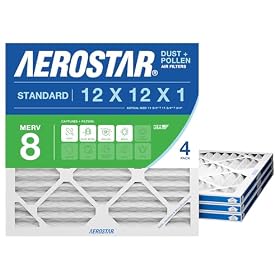
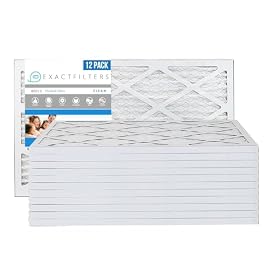
A collapsed cardboard furnace-filter frame usually means the filter is too weak for the airflow, installed incorrectly, wet, clogged, or the wrong size. Replace it promptly, check the filter slot and airflow direction, and investigate unusually high pressure or moisture before installing another filter.
Collapsing cardboard frame on a cheap filter
A collapsing cardboard frame on a furnace filter is not just a cosmetic problem. The damaged frame can let the filter media fold into the airflow, bypass the filter, or get pulled toward the blower. Turn off the HVAC system, remove the damaged filter, and replace it with the exact required size and airflow direction. Then check for a clogged filter, excessive restriction, moisture, or a loose filter slot before assuming the replacement is defective.
What causes a furnace filter frame to collapse?
The filter is too restrictive
A dense filter creates more resistance to airflow than a basic filter. This is more likely with a high-MERV filter, a thin 1-inch filter, or a filter that has loaded with dust. If the blower pulls hard against a restricted filter, a lightweight cardboard frame may bend or buckle.
A higher MERV rating is not automatically better for every HVAC system. Use the MERV rating recommended by the furnace, air-handler, or filter-grille manufacturer. If a high-efficiency filter repeatedly deforms, ask an HVAC professional to check the system's airflow and static pressure rather than simply switching to an even more restrictive filter.
The filter is clogged
A filter that looks gray, dusty, or matted can have substantially higher airflow resistance than a clean filter. Pet hair, remodeling dust, soot, and construction debris can load a filter quickly.
Do not try to clean and reuse a disposable pleated filter. Replace it with the correct size and inspect it sooner after activities that produce unusual dust.
The filter is the wrong size
A filter that is too small may be pulled toward the opening or bend because it is not supported. A filter that is too large may buckle when forced into the slot, or its frame may be crushed by the access panel.
Check the actual dimensions printed on the old filter and compare them with the dimensions required by the filter slot. The nominal size printed on the package is rounded; the actual size can be slightly different. The filter should fit securely without being forced, leaving no major air gap around its edges.
The airflow arrow points the wrong way
Pleated furnace filters are directional. The arrow should point toward the furnace, air handler, or return-side blower—away from the room and toward the equipment. A reversed filter may not always collapse immediately, but it can reduce performance and place the filter media and frame under conditions they were not designed for.
The filter is wet or exposed to moisture
Cardboard loses strength when it becomes damp. Look for water marks, sagging media, rust near the filter rack, condensation, a leaking humidifier, or a nearby drain problem. Do not install a wet filter or operate the system with a damaged one.
If moisture returns after replacing the filter, have the source corrected. A new filter will not solve a leak, condensation problem, or humidifier malfunction.
The filter rack or access panel is not supporting the frame
Some filter slots have gaps, bent rails, missing retaining clips, or a loose access panel. A flexible filter can bow into an unsupported opening, especially when the blower is running.
With power off, inspect the slot for bent metal, missing stops, and debris. Do not use cardboard, tape, or other loose material where it could be drawn into the blower. A damaged filter rack may need repair or replacement by an HVAC professional.
What to do when the frame has already collapsed
- Turn off the thermostat and HVAC power. Use the system switch or circuit breaker if necessary, and follow the equipment manufacturer's instructions.
- Remove the damaged filter carefully. Avoid pushing loose dust into the return opening.
- Check for debris downstream of the filter. If pieces of cardboard or filter media were pulled into the duct or equipment, arrange for inspection before continued operation.
- Confirm the size and airflow direction. Match the old filter's required dimensions and install the arrow toward the furnace or air handler.
- Inspect the slot and access panel. Make sure the filter is supported and the panel closes without crushing it.
- Run the system briefly and observe the filter from a safe position. It should remain seated and should not bow severely, flap, or get pulled into the opening. Stop the system if the filter moves abnormally, the airflow is weak, or you hear unusual blower noise.
Never reach into a running blower or remove electrical covers. For hardwired equipment, recurring airflow problems, or suspected motor and electrical faults, use a qualified HVAC technician.
Should you buy a sturdier filter?
A filter with a stronger frame can be a reasonable replacement when the previous filter was flimsy, but frame strength is not the only specification that matters. Choose a filter that matches:
- The required nominal and actual size
- The approved MERV rating or efficiency range
- The filter's thickness and the available slot depth
- The airflow direction marking
- The system's recommended replacement interval
A thicker filter may have more media area and lower resistance than a similarly rated thin filter, but it must fit the equipment's slot. Do not substitute a thicker filter by bending or compressing it.
If the system repeatedly collapses clean filters, the best next step is an HVAC airflow evaluation. Possible issues include an undersized return duct, a restrictive grille, an overpowered blower setting, a blocked coil, or a filter rack that does not support the filter. Do not disable the filter or use a filter with a lower rating than the equipment requires simply to stop the frame from bending.
When should you replace the filter rack or call for service?
Replace the filter and monitor the system if the collapse happened once and the cause was clearly a damaged, wet, clogged, or incorrectly installed filter.
Call an HVAC professional if:
- A clean, correctly sized filter collapses again
- The filter bows dramatically as soon as the blower starts
- The system has weak airflow, overheating, icing, or repeated shutdowns
- You find water, condensation, or a leaking humidifier near the filter
- Filter media or cardboard has entered the equipment
- The filter rack, rails, or access panel are bent or missing support
- The blower makes grinding, squealing, or rubbing sounds
A replacement unit is usually not the first answer to a collapsed filter frame. Correcting the filter size, restriction, moisture, or rack support often resolves the problem. Replacing the furnace or air handler becomes a broader equipment decision only if a professional finds a major, uneconomical system fault.