For most homes, a properly fitted MERV 11 or MERV 13 pleated filter is the best starting point for reducing airborne allergy particles. The right choice depends on your HVAC system, filter size, replacement schedule, and airflow requirements.
For most homes, the best furnace filter for allergies is a properly sized pleated filter rated MERV 11 or MERV 13—provided your furnace or air handler can handle it. These filters capture many common airborne irritants, including pollen, dust, mold spores, and some pet-dander particles. However, a filter with a higher rating is not automatically better if it restricts airflow or does not fit the filter slot correctly.
Best overall choice: a pleated MERV 11 or MERV 13 filter
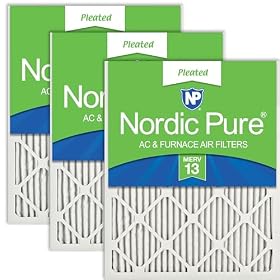
A MERV 13 filter is often the strongest practical choice for allergy control in a compatible residential HVAC system. It can capture smaller particles than basic fiberglass filters and is commonly recommended when improved indoor air filtration is a priority.
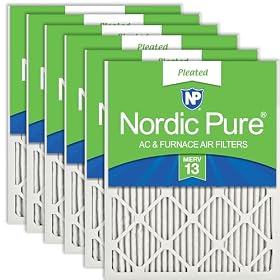
A MERV 11 filter can be a sensible alternative when a system struggles with airflow, uses a shallow filter cabinet, or does not support MERV 13 filtration. It still provides substantially more particle filtration than a low-efficiency disposable filter.
Choose the highest MERV rating your HVAC manufacturer permits—not simply the highest rating available.
Why pleated filters are usually preferable
Pleated filters have more filter surface area than flat fiberglass filters of the same face size. That larger surface can improve particle capture while helping the filter hold dust before it becomes heavily loaded. Look for a filter with:
The exact nominal size required by the HVAC system
A rigid enough frame to stay seated in the slot
An airflow-direction arrow
A clearly stated MERV rating
A replacement interval that matches your home's dust and allergy conditions
Some filters also advertise electrostatic or charged media. These features may improve particle capture, but the MERV rating, correct fit, and airflow compatibility still matter most.
How to choose the right furnace filter for allergies
1. Confirm the actual filter size
Read the size printed on the existing filter and check the filter slot or equipment documentation. Furnace filters often have a nominal size printed on the package and a slightly different actual size.
Do not rely only on measurements from memory. A filter that is too small can allow air to bypass the media, while one that is too large may bend, collapse, or prevent the cabinet door from closing.
If the existing filter is missing or the size marking is unreadable, measure the slot and consult the furnace or air-handler manual. For unusual sizes, a correctly made custom filter may seal better than forcing a standard filter into the opening.
2. Check the HVAC system's approved MERV range
Look for the permitted filter rating in the owner's manual, equipment documentation, or information from the installer. The system must be able to move enough air through the filter while maintaining safe operation.
This is especially important when replacing a thin, low-MERV filter with a deeper or denser MERV 13 filter. A one-inch MERV 13 filter and a thicker media filter can have different airflow characteristics even when their face dimensions are the same.
If the documentation is unclear, ask a qualified HVAC professional to verify compatibility. Do not disable safety controls or modify the return-air system to accommodate a filter.
3. Consider filter depth, not just MERV
A deeper media filter generally provides more surface area than a thin filter. This can make it easier to achieve better filtration without the same level of airflow restriction, but only if the furnace has the matching cabinet or filter rack.
Never install a thicker filter where the slot is designed for a thinner one. The replacement must fit the cabinet and leave adequate room for the access panel to close and seal.
4. Match the replacement schedule to your home
All filters become more restrictive as dust accumulates. Homes with pets, remodeling dust, smokers, frequent cooking, or several allergy sufferers may need more frequent replacement than the interval printed on the package.
Inspect the filter monthly when conditions are dusty. Replace it when the media is visibly loaded, airflow appears reduced, or the recommended interval has elapsed. A filter that is overdue can undermine both filtration and HVAC performance.
MERV 13 filter for allergy-focused HVAC filtration
Product prices and availability are accurate as of the date/time indicated and are subject to change. Any price and availability information displayed on Amazon.com at the time of purchase will apply to the purchase of this product.
MERV ratings explained for allergy control
MERV, or Minimum Efficiency Reporting Value, is a standardized measure of a filter's ability to capture particles in different size ranges. In general:
MERV 8: A basic improvement over low-efficiency filters; useful for larger dust and some pollen.
MERV 11: A stronger choice for homes seeking better control of fine dust, pollen, and other airborne particles.
MERV 13: Often preferred for allergy-focused filtration when the HVAC system supports it.
HEPA: A much higher-efficiency category that typically requires equipment designed specifically for its airflow resistance.
MERV is not a complete prediction of indoor air quality. A filter only works well when air passes through the media instead of around it, and a furnace filter cannot remove particles that are not drawn into the return-air system.
MERV 11 alternative for systems with tighter airflow limits
Product prices and availability are accurate as of the date/time indicated and are subject to change. Any price and availability information displayed on Amazon.com at the time of purchase will apply to the purchase of this product.
When MERV 13 may be the wrong choice
A MERV 13 filter may not be appropriate if the system is not rated for it, the filter becomes visibly bowed, supply airflow drops, rooms do not heat or cool properly, or the furnace begins short-cycling after installation.
These symptoms can have several causes, so do not assume the filter is the only problem. Reinstall the previously approved filter if doing so is safe and permitted, then have the system evaluated if airflow or operating problems continue.
A low-airflow system may need a deeper filter cabinet, a properly sized return duct, equipment service, or another HVAC correction rather than simply a lower-MERV filter.
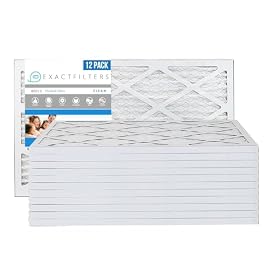
Product prices and availability are accurate as of the date/time indicated and are subject to change. Any price and availability information displayed on Amazon.com at the time of purchase will apply to the purchase of this product.
What about HEPA and “allergen” filters?
A true HEPA filter can capture very small particles efficiently, but most standard furnace filter slots and residential blowers are not designed for the resistance of a HEPA filter. Do not substitute one for a regular furnace filter unless the HVAC manufacturer or a qualified professional confirms compatibility.
Marketing terms such as “allergen,” “micro-particle,” or “hospital quality” should not replace checking the stated MERV rating, actual dimensions, and airflow guidance. Activated carbon may help with some odors and gases, but it is not the main feature to prioritize for pollen, dust, or pet dander.
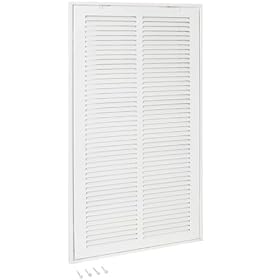
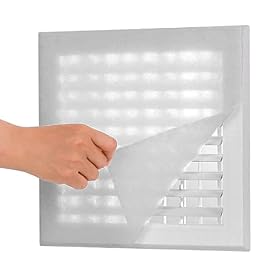
Replacement filter grille for return-air filtration
Product prices and availability are accurate as of the date/time indicated and are subject to change. Any price and availability information displayed on Amazon.com at the time of purchase will apply to the purchase of this product.
Installation checks that affect performance
Turn off the HVAC system if the manufacturer recommends doing so before changing the filter.
Remove the old filter without shaking accumulated dust into the return.
Confirm the new filter's size and MERV rating.
Point the airflow arrow toward the furnace, air handler, or return-side equipment.
Push the filter fully into its slot so it cannot slide or leave a large gap.
Close the access panel securely.
Check that air is not bypassing the filter around a damaged frame or open slot.
If the filter rattles, bows, or leaves large gaps, the size or filter rack may be wrong. Seal or repair HVAC cabinet gaps only with materials and methods approved for that application; do not block required vents or access points.
Best choice by household situation
For seasonal pollen allergies
Start with a properly fitted MERV 11 or MERV 13 pleated filter that the system supports. Replace it before and during the heavy-pollen season as needed, and keep windows and doors closed when outdoor pollen levels are high.
For homes with pets
A MERV 11 or MERV 13 filter can reduce airborne pet-related particles, but it will not remove dander that has settled on furniture, floors, or bedding. Regular cleaning and grooming remain important.
For older furnaces or uncertain compatibility
Use the highest MERV rating documented as compatible. If the system has always used a basic filter and there is no clear guidance, have an HVAC professional check static pressure and filter compatibility before moving to MERV 13.
For a central HVAC system with a return grille filter
Measure the grille filter carefully and confirm whether the system uses one filter at the return grille or multiple filters. Installing extra filters in unapproved locations can increase resistance and reduce airflow.
When a furnace filter is not enough
If allergy symptoms continue, the source may include settled dust, bedding, carpets, moisture or mold, outdoor air leakage, or particles in rooms that receive little return airflow. A portable air cleaner with a properly sized particle filter may help in a bedroom or other frequently occupied room, but it should not replace required furnace filtration.
Persistent moisture, visible mold, unusual odors, or recurring respiratory symptoms require appropriate professional or medical attention. HVAC changes should follow the equipment manufacturer's instructions, and electrical or duct modifications should be handled by a qualified professional.
Bottom line
Choose a pleated MERV 13 furnace filter if your HVAC system is approved for it and the filter fits tightly without causing airflow problems. If MERV 13 is not compatible, a properly fitted MERV 11 filter is often a better choice than risking restricted airflow with a denser filter. Correct size, a good seal, timely replacement, and system compatibility matter more than choosing the highest advertised rating.
FAQ
Is MERV 13 the best furnace filter for allergies?
MERV 13 is often an excellent choice for allergy-related particle filtration, but only when the furnace or air handler supports it. If it causes restricted airflow or is not approved by the manufacturer, use the highest compatible rating instead, such as MERV 11.
Can a MERV 13 filter damage a furnace?
A filter itself does not automatically damage a furnace, but an incompatible or heavily loaded filter can restrict airflow and contribute to operating problems. Check the HVAC documentation and replace the filter before it becomes clogged.
How often should I change a furnace filter for allergies?
Inspect it at least monthly. Homes with pets, heavy dust, remodeling, or several allergy sufferers may need more frequent replacement than the package interval. Replace the filter when it is visibly loaded or airflow declines.
Does a higher MERV rating always mean better allergy protection?
Higher MERV ratings generally indicate stronger particle filtration, but the filter must fit correctly and allow adequate airflow. A compatible MERV 11 filter can be a better choice than an overly restrictive MERV 13 or HEPA filter.
Can I use a HEPA filter in my furnace?
Usually not without confirming compatibility. Many standard residential furnaces and filter slots are not designed for HEPA resistance. Use a HEPA filter only when the HVAC manufacturer or a qualified professional approves the installation.