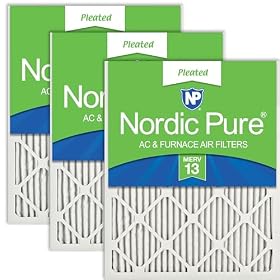
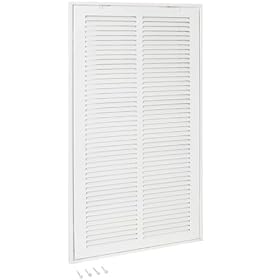
If a high-MERV filter is tripping your furnace limit switch, restricted airflow is a likely cause. Check the filter, return and supply vents, filter fit, blower operation, and ductwork before changing the furnace settings or replacing equipment.
A high-MERV filter can trip a furnace’s high-limit switch when its resistance restricts airflow enough to overheat the heat exchanger. The filter rating is not the only factor: thickness, pleat design, filter condition, cabinet size, blower speed, duct design, and the furnace’s airflow requirements all matter. Start with the filter and airflow checks below. If the furnace continues shutting down, stop resetting it and have a qualified HVAC professional inspect it.
What the furnace limit switch is doing
The high-limit switch is a safety control. It shuts off the burners when the furnace becomes hotter than its permitted operating range, while the blower may continue running to remove heat. A restricted filter can reduce the amount of air moving across the heat exchanger, causing the furnace to overheat.
Repeated limit trips are not a normal trade-off for cleaner air. They can reduce comfort, increase energy use, and place unnecessary stress on furnace components. Do not bypass, jumper, or disable the limit switch.
Check the filter first
Turn the thermostat to off and allow the furnace to stop. If the furnace cabinet or filter area is hot, wait for it to cool before handling the filter.
Confirm the filter is clean
A loaded filter creates more resistance than a new filter with the same MERV rating. Replace it if it is visibly dirty, coated with dust, damp, collapsed, or overdue according to the manufacturer’s guidance.
For troubleshooting, you can temporarily install a clean filter that matches the furnace manufacturer’s approved size and type. Do not operate the furnace without a filter unless the equipment documentation specifically allows the procedure for a brief diagnostic check.
Verify the actual size and orientation
Check the dimensions printed on the filter and compare them with the filter slot or cabinet. A filter that is too thick may block the slot or be forced into an incorrect position. A filter that is too small can allow air to bypass it and may shift during operation.
Install the arrow in the direction of airflow—usually toward the furnace or air handler. A reversed filter may not always cause an immediate shutdown, but it can affect how the media loads and how air passes through the filter.
Consider thickness, not just MERV
A 1-inch MERV 13 filter may create substantially more resistance than a deeper filter designed for the same system, but the exact pressure drop depends on the filter design and airflow. A 4-inch or 5-inch media filter is not automatically compatible with a 1-inch slot, and a deeper filter requires the correct cabinet.
Use the filter type and maximum resistance specified by the furnace, air handler, or filter cabinet manufacturer. If the system was designed around a lower-resistance filter, moving to MERV 13 may require an HVAC professional to verify airflow and make equipment adjustments.
Product prices and availability are accurate as of the date/time indicated and are subject to change. Any price and availability information displayed on Amazon.com at the time of purchase will apply to the purchase of this product.
Check for other airflow restrictions
A high-MERV filter may expose an airflow problem that was already present. Check these items in order:
Return grilles: Make sure furniture, rugs, curtains, and dust buildup are not blocking the return openings.
Supply registers: Open all supply vents unless the system documentation says otherwise. Closing many registers can increase duct pressure and reduce total airflow.
Filter grille or cabinet: Look for a second filter. Some homes have a filter at the return grille and another at the furnace. Two filters can create excessive resistance.
Ductwork: Look for crushed, sharply kinked, disconnected, or visibly collapsed flexible duct. Do not enter unsafe crawlspaces or attics to inspect ducts.
Coil and blower area: A dirty evaporator coil or blower wheel can restrict airflow even with a new filter. These components usually require professional cleaning or service.
Product prices and availability are accurate as of the date/time indicated and are subject to change. Any price and availability information displayed on Amazon.com at the time of purchase will apply to the purchase of this product.
Check whether the furnace is set up correctly
If the problem began immediately after installing a higher-MERV filter, the filter may exceed what the system can handle at its current airflow. However, changing the filter rating is not the only possible explanation.
A furnace can also overheat because of:
Incorrect blower speed or control-board setup
An undersized return duct
An improperly installed filter cabinet
Too many closed registers
A dirty evaporator coil
Duct leakage or poor system design
A failing blower motor or capacitor
A malfunctioning temperature-limit switch
Do not change blower wiring, dip switches, gas settings, or control-board settings unless the equipment documentation specifically directs the work and you are qualified to perform it. Gas and electrical furnace service should generally be handled by a qualified technician.
Product prices and availability are accurate as of the date/time indicated and are subject to change. Any price and availability information displayed on Amazon.com at the time of purchase will apply to the purchase of this product.
Use the furnace’s temperature-rise specification
The furnace nameplate or installation manual normally lists an acceptable temperature-rise range. Temperature rise is the difference between the air temperature entering the furnace and the temperature leaving it after the heat exchanger.
A technician can measure this with proper instruments and compare it with the manufacturer’s range. A temperature rise above the specified range supports an airflow or firing-rate problem, but guessing based on how hot the supply air feels is not reliable. The limit switch should not be treated as a substitute for a temperature-rise check.
When to use a lower-resistance filter
If a clean, correctly sized high-MERV filter causes repeated limit trips and the furnace documentation does not approve it, use the manufacturer-approved filter specification until the system can be evaluated. This may mean choosing a lower MERV rating or a deeper, properly matched media filter—but do not choose solely by thickness or by a generic MERV recommendation.
A lower MERV filter can reduce airflow resistance, but it may provide less fine-particle filtration. The practical goal is the highest filtration level the system can maintain without exceeding its airflow and temperature-rise limits. An HVAC professional can measure static pressure and airflow rather than relying on trial and error.
When to call for service
Turn the furnace off and arrange professional service if it repeatedly shuts down, smells overheated, makes unusual noises, shows a fault code, or fails to heat normally. Also call for service if a clean approved filter and unobstructed vents do not solve the problem.
Do not keep resetting the furnace to force it to run. If you smell gas, leave the building and contact the gas utility or emergency services according to local guidance. For electrical burning smells, smoke, or visible wiring damage, shut off power only if it is safe to do so and contact a qualified professional.
A replacement furnace is not automatically the answer. In many cases, the reasonable next step is a filter-cabinet correction, duct repair, coil or blower cleaning, blower adjustment, or replacement of a failed component. Replacing the unit becomes a consideration only after the system’s condition, sizing, airflow, and repair costs have been evaluated.
FAQ
Can a MERV 13 filter cause a furnace to overheat?
Yes, if the filter creates more airflow resistance than the furnace and duct system can handle. The risk depends on filter thickness and design, filter condition, system airflow, and the furnace manufacturer’s specifications—not MERV number alone.
Should I remove the high-MERV filter if the furnace keeps tripping?
Turn the furnace off and allow it to cool, then replace the filter with a clean, correctly sized filter approved for the system. If the furnace still trips, or if you are unsure which filter is approved, have a qualified HVAC professional inspect airflow and temperature rise. Do not run the furnace indefinitely without a filter.
Is a thicker filter always better for a furnace?
No. A deeper filter can offer more media area and potentially lower resistance, but only when the furnace has the correct cabinet and the filter is properly matched. A filter that does not fit the cabinet can bypass air or restrict airflow.
What MERV rating should I use instead of MERV 13?
Use the highest rating and filter type approved by the furnace or air-handler manufacturer while maintaining required airflow. If MERV 13 causes limit trips, a lower-resistance filter may be appropriate temporarily, but a professional airflow or static-pressure check is the reliable way to choose.