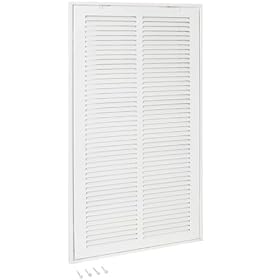
Once the airflow arrow and filter rack point you to the correct installation, confirm the actual filter dimensions and choose a MERV rating your HVAC system can handle.
The arrow and the rack tell you how to install a furnace filter, but they do not by themselves identify the correct replacement. Before buying, confirm the filter’s actual dimensions, thickness, filter type, and a MERV rating appropriate for your furnace or air handler. A filter that fits the slot but restricts airflow can increase noise, reduce comfort, and put unnecessary strain on the system.
Start with the filter rack
Turn off the furnace or air handler before removing the filter. Locate the rack or cabinet that holds it and check how the filter sits in the opening.
Look for:
The filter’s printed size, usually listed on the cardboard frame
The filter should slide into the rack without being forced. It should not rattle, bow, or leave large gaps around the frame. Some racks are designed for a specific thickness, such as 1 inch, 2 inches, or a deeper media filter. Do not substitute a thicker filter unless the rack has room for it and the manufacturer allows it.
Match the airflow arrow
The arrow on a pleated furnace filter should point toward the furnace, air handler, or return-side blower. In a typical central HVAC system, air moves from the home’s return grille through the filter and then toward the equipment.
The arrow is about installation direction, not filter quality. A filter installed backward may still allow air through, but its support structure and filtering media may not work as intended. Follow the arrow printed on the replacement filter rather than assuming it should point toward the room.
If the system has more than one filter, check each location. Return grilles and the furnace cabinet may use separate filters, and they may not be the same size.
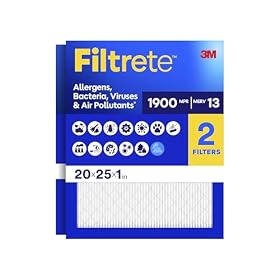
Product prices and availability are accurate as of the date/time indicated and are subject to change. Any price and availability information displayed on Amazon.com at the time of purchase will apply to the purchase of this product.
Confirm the size before ordering
Nominal sizes are rounded labels. The actual filter may be slightly smaller so it can slide into the rack. For a replacement, the safest approach is to match the size printed on the old filter and verify that the new filter’s listed actual dimensions are compatible with the rack.
If the old label is missing:
Measure the opening or the old filter with a tape measure.
Record length, width, and thickness separately.
Check whether the rack has retaining clips, rails, or a gasket that reduces usable space.
Compare the measurements with the manufacturer’s actual-size chart.
Do not round up to the next size if it would prevent the filter from sliding in.
A small gap can allow unfiltered air to bypass the media. A filter that is too large can collapse, damage the frame, or prevent the access panel from closing.
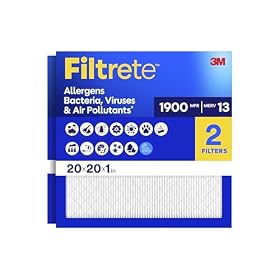
Product prices and availability are accurate as of the date/time indicated and are subject to change. Any price and availability information displayed on Amazon.com at the time of purchase will apply to the purchase of this product.
Choose MERV based on system compatibility
MERV indicates how effectively a filter captures particles under the rating standard. Higher MERV ratings generally provide finer filtration, but they can also create more resistance to airflow—especially as the filter loads with dust.
For many residential systems, a midrange pleated filter is a practical starting point. MERV 13 may be appropriate for some systems, but not every furnace, air handler, or filter rack is designed to operate comfortably with that level of filtration. Check the HVAC manufacturer’s instructions or ask a qualified HVAC professional if your system’s compatible MERV range is unclear.
Do not use a high-MERV filter to compensate for a poor-fitting rack, an undersized return, or an overdue filter change. Those problems can restrict airflow regardless of the rating.
When a deeper filter may help
A deeper media filter can provide more surface area than a thin 1-inch filter. That may allow useful filtration with less resistance, but only when the equipment has a compatible cabinet or rack. A deep filter cannot safely be installed in a shallow slot just because its length and width match.
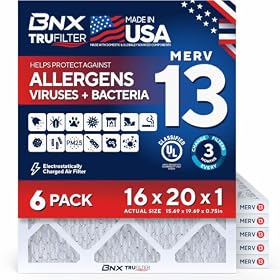
Product prices and availability are accurate as of the date/time indicated and are subject to change. Any price and availability information displayed on Amazon.com at the time of purchase will apply to the purchase of this product.
Select the filter type
Pleated filters are a common replacement choice because their folded media provides more filtering surface than a flat panel filter. When comparing products, check:
Exact size and thickness
MERV rating
Whether the frame is rigid enough for the rack
The manufacturer’s recommended replacement interval
Whether the filter is intended for heating, cooling, or both
Electrostatic, allergen, and odor-reducing labels describe additional features, but they do not replace checking size, airflow direction, and HVAC compatibility. Activated carbon layers can be useful for some odors, but they may also add airflow resistance.
Buy one filter or a replacement pack?
A replacement pack can be convenient when you already know the exact size and rating that works in your system. Before buying several filters, confirm that the first replacement fits properly and that the furnace operates normally with it installed.
A single filter is usually the safer choice when:
You are changing filter thickness or MERV rating
The rack fit is uncertain
The system has airflow or noise problems
The old filter size may have been incorrect
Write the installation date on the filter frame. Replace it according to the system and filter manufacturer’s guidance, and inspect it sooner if the home has pets, remodeling dust, smoke, or unusually high dust levels.
After installation, check the system
With the filter seated and the access panel closed, restore power and observe the system during a heating or cooling cycle. Stop and investigate if you notice:
A loud whistling sound around the filter
A rattling or collapsing filter frame
Weak airflow from supply registers
The blower running unusually hard or continuously
A filter that bows inward
An access panel that will not close securely
First verify that the filter is facing the correct direction and is seated evenly. Then check for an obstructed return grille or another filter elsewhere in the system. If the problem began after changing to a higher-MERV or thicker filter, reinstall the previously compatible type if it is safe to do so and consult the equipment documentation.
Do not bypass the filter or operate the furnace with the access panel removed. If airflow remains poor, the blower makes abnormal electrical or mechanical noises, or the system overheats or shuts down, turn it off and contact a qualified HVAC technician.
When to replace the rack instead of the filter
A replacement filter is not the answer if the rack is bent, missing its retaining hardware, or so loose that air bypasses the frame. A damaged rack or cabinet may require repair or replacement by an HVAC professional. Likewise, repeated airflow problems after using the specified size and MERV rating may indicate a blocked duct, dirty blower, undersized return, or equipment issue rather than a filter problem.
FAQ
Which way should the arrow on a furnace filter point?
Point the arrow toward the furnace, air handler, or blower. In most central HVAC systems, air travels from the return grille through the filter and then into the equipment.
Can I use a higher-MERV filter if it fits the rack?
Not automatically. A higher-MERV filter may restrict airflow, particularly in a shallow 1-inch slot or a system with limited return capacity. Check the furnace or air-handler documentation before changing ratings.
Should I match the nominal or actual filter size?
Use the printed nominal size as a buying reference, but confirm the manufacturer’s actual dimensions. The filter must fit the rack without force while leaving as little bypass space as practical.
How do I know whether I need a thicker furnace filter?
Use a thicker filter only if the rack or cabinet is designed for it. A deeper filter may offer more media area, but it will not fit safely in a shallow rack.