Air bypass around a furnace filter usually comes from a size mismatch, gaps in the filter slot, or a filter that is bent or installed incorrectly. Here is how to find the leak and choose the right fix without restricting airflow.
Bypass around an ill-fitting filter
If air can flow around the edges of your furnace filter, the filter is not cleaning all the air entering the system. The most common causes are the wrong filter dimensions, a loose or damaged filter rack, missing seals, or a filter that does not sit squarely in its slot. Fix the fit before moving to a higher-MERV filter; a filter that seals well is more effective than one with a high rating that air can bypass.
What filter bypass does
A filter only protects the furnace and cleans indoor air when air passes through its media. Gaps around the frame let unfiltered air travel directly into the return duct, blower compartment, or coil.
Bypass can contribute to:
Dust buildup downstream of the filter
A dirtier evaporator coil or blower wheel
Reduced indoor-air cleaning
Air leaks, whistling, or rattling near the filter slot
A filter that appears clean even though dust is reaching the equipment
A small amount of looseness may be normal in some filter racks, but visible gaps or a filter that moves freely should be corrected.
Check the filter size first
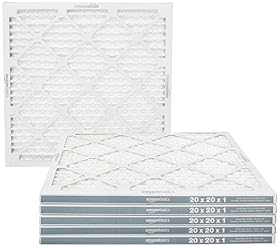
Turn off the HVAC system at the thermostat before removing the filter. Check the size printed on the filter, then measure the old filter if the fit has been poor. Measure length, width, and thickness—not just one dimension.
Pay attention to the difference between nominal and actual dimensions. A filter sold as a nominal size may be slightly smaller than the number printed on the package. The replacement should fit the equipment's specified size and sit securely in the rack without being forced.
Check for these signs of a size mismatch:
A gap along one or more edges
The filter slides backward or sideways in the rack
The filter bows because it is too large
The filter will not insert fully
The frame is crushed when the access panel is closed
A thicker filter prevents the panel or retaining clip from closing correctly
If the filter is too small, do not rely on loose cardboard, towels, or other improvised material to seal the opening. These can shed fibers, collapse into the airflow, or create an unsafe restriction.
Product prices and availability are accurate as of the date/time indicated and are subject to change. Any price and availability information displayed on Amazon.com at the time of purchase will apply to the purchase of this product.
Inspect the rack, grille, and seals
If the filter dimensions are correct, inspect the structure that holds it. A damaged rack can create bypass even with the right filter.
Look for:
Bent metal rails or retaining clips
A missing end stop
Loose screws or a separated frame
Gaps between the rack and return-air duct
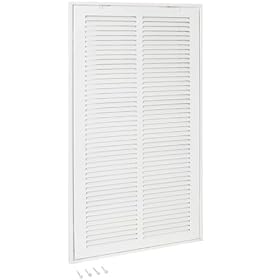
A warped filter grille
A torn or compressed gasket
A filter door that does not close tightly
Hold the filter in place and look for daylight around its frame. You can also run your hand near the edges while the system operates to feel for escaping air. Keep fingers, clothing, and loose materials away from moving equipment.
For a small, accessible gap between a stationary metal rack and ductwork, an HVAC-rated sealing material may be appropriate. Follow the product instructions and do not place tape, foam, or insulation where it could be pulled into the blower or block the filter surface. A damaged rack, grille, or access door may need repair or replacement rather than additional sealing.
Filters with a supported frame for a loose or bowed fit
Product prices and availability are accurate as of the date/time indicated and are subject to change. Any price and availability information displayed on Amazon.com at the time of purchase will apply to the purchase of this product.
Confirm the filter is installed correctly
The arrow on a furnace filter should point in the direction of airflow—normally toward the furnace or air handler, away from the return grille. A reversed filter may still fit, but it can affect how the filter is supported and may reduce its intended performance.
Also check that:
The filter is fully seated in its guides.
The frame is not twisted or bowed.
The correct face is exposed if the filter has a reinforced or supported side.
The access panel and retaining clip are fully closed.
No second filter is installed elsewhere in the return path unless the system is designed for it.
A filter that is too thick can be a particular problem. Do not substitute a 2-inch or 4-inch filter for a 1-inch filter simply because it appears more effective. Use only the thickness specified for the rack, or have an HVAC professional evaluate a modification.
Product prices and availability are accurate as of the date/time indicated and are subject to change. Any price and availability information displayed on Amazon.com at the time of purchase will apply to the purchase of this product.
Check for a full filter or excessive dust loading
A filter that is packed with dust can deform, collapse, or pull away from the rack. Replace it if the media is visibly loaded, damaged, damp, or sagging. A severely dirty filter can also increase the pressure drop across the system, causing air to seek easier paths around the edges.
After installing a new filter, check that the system starts normally and that supply airflow does not become unusually weak. Filter replacement intervals vary with filter type, system use, pets, construction dust, and household conditions. Inspect the filter rather than relying only on a calendar reminder.
Product prices and availability are accurate as of the date/time indicated and are subject to change. Any price and availability information displayed on Amazon.com at the time of purchase will apply to the purchase of this product.
Make sure the filter itself is appropriate
Once the filter seals correctly, consider whether its MERV rating and thickness suit the furnace or air handler. Higher MERV filters can capture smaller particles, but they may also create more resistance to airflow, especially when the filter is small, dirty, or installed in a restrictive 1-inch slot.
Do not use a higher-MERV filter to compensate for air bypass. First correct the fit and verify that the system can handle the filter. If the filter repeatedly bows, whistles, becomes unusually dirty in one area, or causes weak airflow after installation, ask an HVAC professional to check system airflow and pressure.
When to replace a part or call for service
Replace the filter when it is the wrong size, damaged, wet, or permanently deformed. Replace a filter grille, rack component, gasket, or access panel when it cannot hold the filter squarely or close the return opening.
Call a qualified HVAC professional if:
You cannot identify the correct filter size
The filter slot is built into ductwork and is badly damaged
The system has persistent whistling or weak airflow
The furnace overheats, shuts down, or repeatedly resets
You suspect a major return-duct leak
You want to change filter thickness or MERV rating
Do not remove furnace panels or work near electrical components unless you are qualified and have followed the manufacturer's shutdown procedure. A properly sized, well-sealed filter is the basic fix; changing the blower or electrical controls is not a DIY solution to ordinary filter bypass.
FAQ
How much space around a furnace filter is acceptable?
A filter should sit securely with no obvious open path around its edges. A very small manufacturing clearance may be normal, but visible gaps, movement, or dust tracks around the frame indicate bypass that should be corrected.
Can I use foam or cardboard to fill a gap around the filter?
Do not use loose cardboard, towels, or improvised materials. For a small gap in a stationary metal rack, an HVAC-rated sealing product may be suitable if installed safely and away from the filter face and blower airflow. A damaged rack or door should be repaired or replaced.
Should the arrow on a furnace filter point toward the furnace?
Usually, yes. The arrow should point in the direction of airflow, generally from the return grille toward the furnace or air handler. Confirm the airflow direction in the equipment or filter instructions if the layout is unusual.
Will a higher-MERV filter stop air from bypassing the filter?
No. MERV describes particle-capture performance, not fit. A higher-MERV filter can still leak around its edges, and it may increase airflow resistance if the system is not designed for it.
What should I do if the correct-size filter still does not fit?
Check the filter's actual dimensions, not only its nominal size, and inspect the rack for bending, missing clips, or an obstruction. If the filter still cannot sit squarely, have the rack or return grille evaluated and repaired rather than forcing the filter.