A furnace filter that collapses in its slot usually has a fit, airflow, installation, or excessive-resistance problem. Check the filter size and orientation first, then inspect the rack, grille, and airflow before blaming the furnace blower.
A furnace filter collapsing in the slot usually means the filter is not supported correctly or the HVAC system is pulling air through it with too much resistance. Turn the furnace or air handler off before inspecting it. Then check the filter’s actual fit, airflow arrow, condition, MERV rating, and the surrounding rack or grille.
What a collapsed filter means
The blower creates negative pressure on the return-air side of the system. A properly installed filter should remain supported by its frame and the filter slot or grille. If the filter bows, folds, or gets pulled out of position, air pressure is acting on a weak, loose, blocked, or poorly supported filter.
Do not keep running the system with a filter that has folded over. Air can bypass the filter, and a severely restricted filter can reduce heating or cooling airflow.
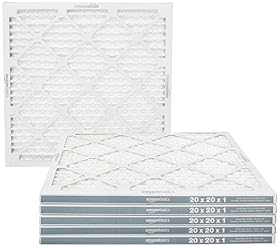
Check the filter size and fit first
A filter that is too small can slide, twist, or get pulled into the opening. A filter that is too large may bend when forced into the slot, leaving the frame unsupported.
Check these points:
Read the size printed on the filter and compare it with the size marked on the furnace, filter cabinet, or grille.
Measure the old filter if the printed size is unclear. Nominal sizes are rounded, so the actual dimensions may be slightly smaller than the label.
Make sure the filter fills the slot without being crushed or wedged.
Look for a gap around the filter frame. A small designed clearance is normal, but a large gap can allow bypass air and movement.
Confirm that the filter is seated against the slot’s stops, rails, or retaining clips.
Never compensate for a loose fit by stuffing cardboard, foam, or other unapproved material into the return opening. Use the correct replacement filter or have the rack repaired.
Product prices and availability are accurate as of the date/time indicated and are subject to change. Any price and availability information displayed on Amazon.com at the time of purchase will apply to the purchase of this product.
Confirm the airflow arrow
Most pleated furnace filters have an arrow showing airflow direction. The arrow should point toward the furnace, air handler, or blower—not toward the return-air room or grille.
An incorrectly oriented filter may still fit, but the filter media and support structure may not perform as intended. Remove and reinstall it with the arrow pointing in the direction of the system’s airflow. If the filter is damaged, replace it rather than reinstalling it.
Product prices and availability are accurate as of the date/time indicated and are subject to change. Any price and availability information displayed on Amazon.com at the time of purchase will apply to the purchase of this product.
Inspect for a dirty or overly restrictive filter
A filter can collapse when it is loaded with dust, pet hair, or construction debris. Hold the filter under normal room lighting and check whether the pleats are heavily coated or the filter surface is visibly blocked.
Also consider whether the replacement filter has a higher MERV rating than the system previously used. Higher-MERV filters can capture smaller particles, but they may also create more resistance to airflow, especially when they are thin, dirty, or installed in a system with a narrow filter slot.
A MERV number alone does not tell you whether a filter is appropriate for your furnace. Follow the equipment manufacturer’s filter guidance. If a new high-efficiency filter collapses but a less restrictive filter does not, stop changing ratings repeatedly and ask an HVAC professional to check system airflow and filter pressure drop.
Product prices and availability are accurate as of the date/time indicated and are subject to change. Any price and availability information displayed on Amazon.com at the time of purchase will apply to the purchase of this product.
Check the filter rack, grille, and retaining parts
A filter may collapse because the slot is no longer holding it flat. With the system off, inspect for:
Bent or missing rails
A loose filter grille
Broken clips or retaining springs
A warped filter cabinet
Sharp edges that damage the filter frame
A return grille that is larger than the filter and lacks proper support
Debris blocking part of the filter opening
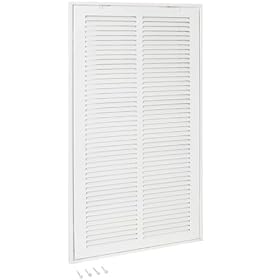
If the filter is installed in a ceiling or wall grille, verify that the grille closes firmly and supports the filter across its frame. Some grilles need a specific filter thickness; a thinner filter may rattle or move, while a thicker one may be compressed and distorted.
Check for blocked return airflow
Restricted return airflow can increase the pressure pulling against the filter. Make sure return grilles are open and not covered by furniture, rugs, curtains, or stored items. Clean visible dust from the grille without damaging the filter or ductwork.
Do not seal or block return openings to reduce noise. If several return grilles are involved, the system may require a qualified HVAC assessment rather than a different filter alone.
If the filter still collapses
If the filter is the correct size, installed in the correct direction, clean, and properly supported, the problem may involve excessive system airflow resistance or a mechanical issue. Possible causes include an undersized return duct, blocked evaporator coil, blower problem, closed dampers, or a damaged filter cabinet.
Turn the system off and arrange service if you notice a burning smell, unusual blower noise, icing, repeated overheating shutdowns, weak airflow from supply vents, or a filter that collapses again shortly after replacement. Do not bypass the filter or operate the furnace without one while waiting for service.
A replacement filter is reasonable when the existing one is dirty, torn, damp, warped, or permanently folded. A replacement filter rack, grille, or cabinet may be needed when the support hardware is bent or missing. If multiple correctly sized filters collapse, have a qualified HVAC professional measure airflow and inspect the equipment instead of simply installing a lower-efficiency filter.
FAQ
Why does my furnace filter keep collapsing?
The most common causes are an incorrect size, a loose or damaged filter rack, airflow-direction errors, a dirty filter, blocked return airflow, or a filter with more resistance than the system can handle. Check fit and installation first, then have the system inspected if the problem repeats.
Which way should the arrow on a furnace filter point?
The arrow should point toward the furnace, air handler, or blower—the direction air travels through the system. It should generally point away from the return grille or room.
Can a high-MERV filter cause a furnace filter to collapse?
It can contribute to excessive airflow resistance, especially if the filter is thin, dirty, or used in a system not designed for that resistance. Follow the furnace manufacturer’s recommendations and have airflow checked if a higher-MERV filter repeatedly deforms.
Can I run the furnace without a filter?
No. Running without a filter can allow dust into the blower and indoor coil and may damage the system. Turn the equipment off until the correct filter is installed, unless a qualified professional gives different instructions for a specific service procedure.
Should I replace the furnace if the filter collapses?
Usually not. Start with the filter size, airflow direction, filter condition, return grilles, and filter-support hardware. If a correctly installed filter continues to collapse, an HVAC professional should diagnose airflow or equipment problems before you consider replacing the furnace.