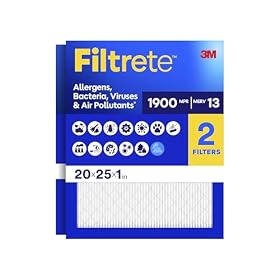
A 12-pack can reduce the per-filter cost and prevent last-minute trips, but buying one at a time is safer when you are still confirming the size, MERV rating, or replacement schedule your HVAC system needs.
Buying a 12-pack of furnace filters is usually the better choice when you already know the exact filter size, thickness, and MERV rating your system can handle. Buying one at a time is more sensible when you are changing filter types, renting, testing a new MERV rating, or unsure whether the printed size matches the actual filter slot.
When a 12-pack makes sense
A bulk pack is most useful when all of these conditions are true:
The filter dimensions and thickness are confirmed.
The filter is a standard size that is easy to reorder.
Your furnace or air handler is already operating properly with that filter.
You have a dry, clean place to store the extras.
You expect to remain in the home long enough to use them.
The main advantage is convenience. You can keep replacement filters on hand instead of waiting until the existing filter is visibly dirty or airflow has already declined. A 12-pack may also have a lower per-filter cost than individual purchases, but compare the total pack price divided by the number of filters rather than assuming the larger package is cheaper.
Bulk buying can be especially practical for filters changed monthly or every few months. It is less compelling if your household uses filters slowly, because unused filters occupy storage space and may be damaged before they are needed.
When buying one at a time is safer
Buy a single filter first if you are not certain about any of the following:
Nominal size: A filter labeled 16 by 25 by 1 may not measure exactly those dimensions. Check the existing filter and the HVAC equipment or grille documentation.
Thickness: A 1-inch filter is not interchangeable with a 4-inch media filter just because the length and width match.
MERV rating: A higher rating can capture smaller particles, but it can also increase airflow resistance. Use the rating recommended by the furnace, air handler, or HVAC professional.
Filter location: A filter in a return grille may use a different size from one installed at the furnace cabinet.
Replacement interval: The correct interval depends on filter thickness, system runtime, pets, construction dust, smoking, and household occupants.
A single-filter purchase also makes sense when you have recently moved, inherited an unfamiliar HVAC system, or noticed weak airflow after installing a denser filter. Confirming fit and system response before buying a year’s supply can prevent waste.
Product prices and availability are accurate as of the date/time indicated and are subject to change. Any price and availability information displayed on Amazon.com at the time of purchase will apply to the purchase of this product.
Compare the real cost, not just the package size
Use this simple calculation:
Cost per filter = total delivered price ÷ number of filters
For a fair comparison, include shipping, subscription charges, and any discount that applies only to the first order. Also compare equivalent products. A 12-pack of basic pleated filters is not a direct price comparison with a single filter that has a higher MERV rating, thicker media, or special odor-control treatment.
A bulk pack may cost less per filter but still be a poor purchase if the filters do not fit, the rating is unsuitable, or you will move before using them. The cheapest filter is not necessarily the best value if it causes excessive airflow restriction or needs to be replaced unusually often.
Product prices and availability are accurate as of the date/time indicated and are subject to change. Any price and availability information displayed on Amazon.com at the time of purchase will apply to the purchase of this product.
Check MERV rating before stocking up
MERV describes a filter’s ability to capture particles in standardized testing. Higher MERV ratings generally provide finer filtration, but filtration performance is only one part of the decision. The filter must also allow adequate airflow for the system.
Before purchasing a large pack:
Find the current filter’s MERV rating, if printed.
Check the furnace or air-handler documentation for an approved rating or airflow guidance.
Confirm that the new filter has the same thickness and dimensions.
Install one filter and monitor airflow, comfort, unusual noise, and system behavior.
Only buy a larger quantity after the replacement performs as expected.
Do not install a high-MERV filter solely because the number is higher. If the system is not designed for the added resistance, restricted airflow can reduce comfort and place additional strain on the equipment. When the documentation is unclear, ask a qualified HVAC professional before moving to a substantially higher rating.
Product prices and availability are accurate as of the date/time indicated and are subject to change. Any price and availability information displayed on Amazon.com at the time of purchase will apply to the purchase of this product.
Storage matters with a 12-pack
Keep unused filters in their original packaging in a dry indoor location. Avoid garages, damp basements, crawl spaces, and areas where filters can be crushed or exposed to dust, paint, chemicals, or pests. Store them flat or in the orientation recommended by the manufacturer, and do not place heavy items on the pleated media.
Before installation, inspect the filter for bent frames, torn media, moisture, or damaged sealing material. A damaged filter should not be used just because it came from a bulk package.
Labeling the box with the filter size, MERV rating, and purchase date can help prevent accidentally ordering a similar-looking but incompatible replacement later.
How often should a bulk-pack filter be replaced?
There is no universal replacement schedule. Follow the furnace or filter manufacturer’s guidance, then inspect the filter periodically. A filter may need more frequent replacement in homes with pets, frequent HVAC operation, indoor smoking, renovation dust, or multiple occupants. A thicker media filter may last longer than a 1-inch filter, but the actual interval still depends on the system and conditions.
Replace the filter sooner if it is visibly loaded with dust, airflow is weakening, rooms are becoming harder to heat or cool, or the HVAC system is showing signs of restricted airflow. Turn off the system as directed by the manufacturer before removing the old filter, and install the replacement with the airflow arrow pointing toward the furnace or air handler.
A practical buying decision
Choose a 12-pack when you have a confirmed size, thickness, and MERV rating; have suitable storage; and expect to use the filters regularly. It is the convenient option for a known, stable setup.
Choose one filter at a time when you are still confirming compatibility, comparing MERV ratings, troubleshooting airflow, or unsure how quickly your household uses replacements. Once a single filter fits and performs properly, you can switch to a larger pack if the per-filter cost and storage requirements make sense.
If a filter is difficult to insert, bows inward during operation, leaves visible gaps around the frame, or causes a noticeable airflow problem, stop buying that type in bulk. Recheck the nominal and actual dimensions, filter thickness, airflow direction, and equipment requirements before ordering more.
FAQ
Is buying furnace filters in bulk cheaper?
Often, but not always. Divide the total delivered price by the number of filters and compare equivalent sizes, thicknesses, and MERV ratings. Include shipping and subscription costs in the calculation.
How many furnace filters should I buy at once?
Buy enough for your expected replacement schedule and storage space. A 12-pack is reasonable when the size, thickness, and MERV rating are already confirmed; otherwise, buy one first to verify compatibility.
Can furnace filters expire?
Dry, properly stored filters generally do not have a short expiration period, but moisture, crushing, dust, and damaged packaging can make them unsuitable. Inspect each filter before installation.
Should I buy a higher-MERV filter in a 12-pack?
Only if the furnace or air handler can support it. Higher MERV filtration may increase airflow resistance, so follow the equipment manufacturer’s guidance or consult a qualified HVAC professional before changing ratings.