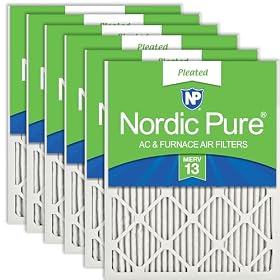
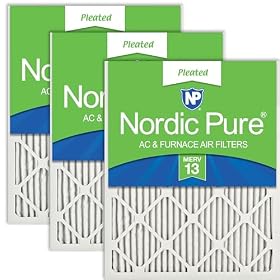
A thicker furnace filter can restrict airflow when the HVAC system or filter slot was not designed for it. Check the filter fit, airflow direction, return obstructions, and system compatibility before changing the MERV rating or calling for repairs.
A thick furnace filter can cause high static pressure when it does not fit the system correctly, has a restrictive design, is loaded with dust, or replaces a filter depth the blower and ductwork were designed to use. Check the filter and airflow path first, then verify the filter depth and MERV rating against the furnace and air-handler instructions. If the problem persists, have an HVAC professional measure static pressure rather than guessing.
Why a thicker filter can raise static pressure
A filter creates resistance as air passes through it. When resistance increases, the blower may move less air, operate noisily, or work harder than intended. Possible signs include:
Whistling or louder blower operation
Weak airflow at supply registers
A filter that bows inward or collapses
Furnace overheating or shutting off on a high-limit safety
Longer heating or cooling cycles
A dirty-filter warning soon after installation
Reduced airflow at some rooms or registers
Thickness alone does not determine resistance. A deeper pleated filter often has more media area and may allow better airflow than a similarly efficient one-inch filter. However, a deep filter only helps when the HVAC system has the correct cabinet, rack, and blower capacity for it.
A filter with a higher MERV rating can also resist airflow more than a lower-rated filter, but the actual resistance depends on the filter's construction, size, depth, and condition. Do not assume that every MERV 13 filter will perform the same way in a particular system.
Check the filter first
Turn off the furnace or air handler before removing the filter. Follow the equipment manufacturer's instructions, especially if the unit has a service switch or a required shutdown procedure.
1. Confirm the size and depth
Read the dimensions printed on the old filter and compare them with the new one. Check all three measurements: length, width, and depth. A filter marked with nominal dimensions may have slightly different actual dimensions, so it should fit securely without being forced.
Look for these problems:
A filter that is too deep for the rack
A filter that is too wide or tall and buckles
Gaps around the filter that allow unfiltered air to bypass it
A filter that cannot slide fully into the slot
A filter door or access panel that will not close properly
Do not compress a thick filter to make it fit a one-inch slot. If the system has a one-inch filter rack, use the specified one-inch size unless an HVAC professional has installed a properly sized media cabinet.
2. Check airflow direction and filter condition
The arrow on a pleated filter should point toward the furnace or air handler, in the direction of airflow. An incorrectly installed filter can reduce performance and may not protect the equipment as intended.
Inspect the filter for heavy dust, construction debris, pet hair, or moisture damage. A filter that looks clogged should be replaced with the correct size and type. Do not wash a disposable pleated filter or reuse it after it has become loaded with dust.
If the new filter immediately becomes dirty, investigate the return-air path and surrounding air leaks instead of repeatedly installing thicker or higher-MERV filters.
Correct replacement filter for the existing furnace slot
Product prices and availability are accurate as of the date/time indicated and are subject to change. Any price and availability information displayed on Amazon.com at the time of purchase will apply to the purchase of this product.
Check the rest of the airflow path
3. Inspect the return grille and ductwork
Make sure return grilles are open and not covered by furniture, rugs, curtains, or stored items. Check accessible return ducts for crushed flex duct, disconnected sections, or obvious blockages.
Also confirm that supply registers are open. Closing many registers does not solve a high-static-pressure problem; it can increase resistance in the duct system.
4. Look for leaks and installation problems
A filter that does not seal can let air bypass the media. Check the filter rack, access door, and nearby return plenum for gaps, loose panels, or damaged gaskets. Seal accessible sheet-metal joints only with materials appropriate for HVAC ductwork, such as approved foil tape or duct sealant. Do not block service panels, combustion openings, or required ventilation openings.
If the filter is installed in a return grille, verify that the grille closes evenly and that the filter is not oversized for the frame. A warped grille can pinch the filter and reduce its effective area.
5. Confirm that a deep-filter cabinet is actually compatible
A four- or five-inch filter generally requires a matching media cabinet or filter rack. It should not be placed in a shallow one-inch slot unless the equipment documentation specifically allows that configuration.
Check the furnace or air-handler documentation for:
Approved filter dimensions and depths
Maximum recommended filter resistance
Compatible MERV ratings
Required airflow or blower settings
Instructions for external media cabinets
If a contractor recently added a thick filter cabinet, ask whether the cabinet was sized for the required airflow and installed with the correct transition pieces. A poorly sized cabinet or abrupt duct transition can create additional resistance.
Product prices and availability are accurate as of the date/time indicated and are subject to change. Any price and availability information displayed on Amazon.com at the time of purchase will apply to the purchase of this product.
Do not diagnose static pressure by sound alone
Noise and weak airflow can suggest a restriction, but they do not prove that static pressure is too high. A professional can measure external static pressure with a manometer and compare the result with the furnace or air handler manufacturer's allowable range.
A measurement is especially worthwhile when:
The unit overheats or repeatedly trips its limit switch
The blower is unusually loud after the filter change
A new filter cabinet was installed
The system has a high-efficiency or variable-speed blower
The home has weak airflow even with the filter removed briefly for diagnosis
You want to use MERV 13 but the equipment documentation is unclear
Do not operate the furnace for extended periods without a filter. If a technician needs to isolate the filter as a restriction, follow the technician's instructions and keep the equipment shutdown as directed.
Choosing a replacement filter
The practical fix may be a different filter depth, a different MERV rating, or a larger filter area—not necessarily the lowest-MERV filter available.
Keep the same depth: Use this when the filter fits correctly and the equipment documentation supports its rating. A comparable replacement with a less restrictive design may help.
Use a deeper filter correctly: A deeper filter can provide more media area, but it requires a compatible cabinet and enough clearance.
Lower the MERV rating if approved: If the system cannot maintain required airflow with the installed rating, the manufacturer's approved lower rating may be appropriate. Do not make this change when it would conflict with medical or indoor-air-quality needs without discussing alternatives with an HVAC professional.
Increase filter area: A larger media cabinet or additional correctly designed return-air capacity can reduce resistance, but this is an installation change, not a filter swap.
A MERV 13 filter is not automatically unsuitable. The key questions are whether the system was designed for it, whether the filter has adequate surface area, and whether measured airflow and static pressure remain within the equipment's requirements.
When to replace a part or call for service
Replace the filter if it is dirty, damaged, wet, or the wrong size. Replace a damaged filter rack, grille, gasket, or media cabinet component if it prevents a proper seal or fit.
Call a qualified HVAC professional when the furnace shuts down, the blower motor overheats, airflow remains poor with the correct clean filter, or the system needs a new cabinet or duct modification. Electrical components, blower controls, refrigerant equipment, and combustion-related parts should be serviced according to the manufacturer's instructions by a qualified technician.
If the system is old, repeatedly fails airflow checks, or cannot support the desired filtration level without excessive resistance, replacing the filter alone may not be a reasonable long-term solution. A professional can determine whether the restriction is in the filter, ductwork, blower setup, or equipment itself.
FAQ
Can a thicker furnace filter cause high static pressure?
Yes. A thicker filter can cause high static pressure if it does not fit the rack, has a restrictive design, is installed in a system not designed for that depth, or is heavily loaded with dust. A properly sized deep filter may have lower resistance than a one-inch filter, so depth alone is not the deciding factor.
Is MERV 13 too restrictive for every furnace?
No. MERV 13 performance depends on the filter's size, depth, construction, and the HVAC system's blower and duct design. Check the equipment documentation and have static pressure and airflow measured if compatibility is uncertain.
What should I do if the filter is too thick for the slot?
Turn off the equipment, remove the improperly fitting filter, and install the specified size and depth. Do not bend or compress the filter to force it into place. If you want a deeper filter, have a compatible media cabinet or rack installed.
How can I tell whether static pressure is actually too high?
Noise, weak airflow, and furnace cycling can indicate a restriction but cannot confirm it. An HVAC professional should measure external static pressure with a manometer and compare the result with the manufacturer's allowable range.