Gaps around a furnace filter let unfiltered air bypass the media. Learn how to measure the opening, identify the correct nominal size, and fix a loose or poorly fitting filter safely.
Wrong size filter leaving gaps
A furnace filter that leaves visible gaps is usually the wrong size, installed in the wrong location, or sitting in a bent or damaged rack. The gap allows air to bypass the filter, reducing filtration and potentially carrying dust into the blower and ductwork. Measure the filter opening and compare it with the filter’s actual dimensions before buying a replacement.
Why gaps around a furnace filter matter
A filter only works when air is forced through its media. If the filter is loose, air will usually take the easier path around the edges. Even a narrow gap can allow dust and debris to bypass the filter.
A correctly fitted filter should sit securely in its track or grille without being crushed, bowed, or difficult to remove. Small manufacturing tolerances are normal, but a filter should not rattle or leave an obvious open path around its frame.
Check the filter size first
Read the size printed on the old filter
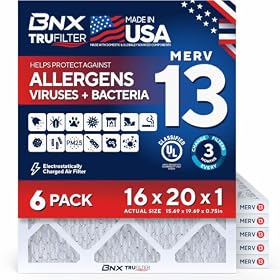
Look for a size printed on the cardboard frame or filter edge. It may be listed as a nominal size, such as 16 x 20 x 1, while the filter’s actual dimensions are slightly smaller. This is normal for many furnace filters.
Do not assume that two filters with the same nominal size have exactly the same measured dimensions. Thickness can also vary, especially with deeper pleated filters.
Measure the opening and the old filter
Turn off the heating or cooling system before removing the filter. Measure:
The length and width of the filter opening
The actual length, width, and thickness of the old filter
The depth of the filter slot or cabinet
Measure to the nearest fraction of an inch if possible. If the old filter fits poorly, measure the opening itself rather than copying its printed size.
A replacement should fit the filter track or grille without leaving a substantial perimeter gap. It should not be so large that it bends, collapses, or cannot slide fully into place.
Product prices and availability are accurate as of the date/time indicated and are subject to change. Any price and availability information displayed on Amazon.com at the time of purchase will apply to the purchase of this product.
Check the installation direction and location
Most filters have an airflow arrow printed on the frame. The arrow should point toward the furnace, air handler, or blower. A backward filter can restrict airflow, but it generally does not explain a large gap by itself.
Confirm that the filter is installed in the intended slot. Some systems have a filter at a return-air grille, while others use a filter near the furnace or air handler. Installing a filter in an unused or oversized slot can leave gaps and may create unnecessary airflow resistance.
If the system has more than one filter, check each return grille and filter cabinet. Do not add extra filters unless the equipment manufacturer or an HVAC professional specifically designed the system for them.
Product prices and availability are accurate as of the date/time indicated and are subject to change. Any price and availability information displayed on Amazon.com at the time of purchase will apply to the purchase of this product.
Inspect the rack, grille, and seals
If the filter dimensions appear correct but gaps remain, inspect the surrounding hardware:
Look for a bent filter track or warped grille.
Check whether retaining clips or a door are missing.
Make sure the filter is fully seated in its channel.
Inspect foam or brush seals for compression, tearing, or detachment.
Check for loose screws or a cabinet panel that does not close squarely.
Look for dirt buildup that prevents the filter from sitting flat.
A damaged rack can make the correct filter appear too small. A replacement filter will not permanently solve that problem. A qualified HVAC technician may be needed if the filter cabinet is distorted, inaccessible, or part of the air handler.
Product prices and availability are accurate as of the date/time indicated and are subject to change. Any price and availability information displayed on Amazon.com at the time of purchase will apply to the purchase of this product.
Avoid using a thicker filter as a quick fix
A thicker filter is not automatically a better solution. A 2-inch or 4-inch filter may not fit a 1-inch slot, and forcing it into place can deform the filter or cabinet. A thicker high-efficiency filter can also increase airflow resistance if the system was not designed for it.
If you want better filtration, verify the available filter depth, equipment requirements, and recommended MERV range first. MERV 13 is not appropriate for every system without checking airflow capability and manufacturer guidance. When in doubt, ask an HVAC professional to confirm the suitable filter type and rating.
Product prices and availability are accurate as of the date/time indicated and are subject to change. Any price and availability information displayed on Amazon.com at the time of purchase will apply to the purchase of this product.
When a gap may be caused by the filter itself
Replace the filter if its frame is bent, the media is collapsed, or the filter has become damp or damaged. A filter that is too short or narrow for the opening should be replaced with the correct size rather than packed with loose material.
Do not use cardboard, towels, folded paper, or unapproved tape to fill the gap. These materials can shed fibers, obstruct airflow, create a fire concern, or be pulled into the blower. Purpose-made filter seals or a correctly sized filter are safer options, but any modification should follow the equipment manufacturer’s instructions.
When to replace the filter rack or cabinet
Replacing the rack, grille, or filter cabinet may be reasonable when:
The correct filter size is no longer supported by the damaged track.
The grille cannot hold the filter tightly.
Seals are permanently missing or deteriorated.
The cabinet is badly bent or has persistent air leakage.
You want to upgrade from a thin filter to a properly supported deeper filter.
Electrical or cabinet work around a furnace can involve sharp metal, moving equipment, gas-burning components, and wiring. Turn the system off before inspection, and have a qualified professional handle repairs that require removing panels, altering ductwork, or modifying the air handler.
Quick decision guide
Gap around every side: Recheck the opening and nominal versus actual filter size.
Gap on one side only: Look for a bent track, misplaced retainer, or filter that is not fully seated.
Filter will not slide in: Check filter thickness and debris in the slot; do not force it.
Correct filter but air leaks around the cabinet: Inspect seals, doors, and the rack.
Filter size is unusual or unavailable: Measure the opening and consult an HVAC professional before changing the rack or using a different thickness.
New filter causes weak airflow, whistling, or frequent system cycling: Turn the system off if necessary and confirm filter rating and thickness with the manufacturer or a technician.
The sensible next step is usually a replacement filter with verified actual dimensions. If the correct filter still leaves a meaningful gap, replace the damaged retaining hardware or have the filter cabinet repaired rather than compensating with an improvised seal.
FAQ
Should a furnace filter fit tightly?
It should sit securely in its track or grille without rattling or leaving a substantial open path around the frame. It should not be forced into place or crushed.
Can I use a larger filter to stop gaps?
Only if its actual dimensions and thickness match the filter opening and the equipment is designed for it. A larger or thicker filter can bend the rack or restrict airflow.
Are furnace filter sizes exact?
Usually not. The size printed on a filter is often a nominal size, while the actual length, width, and thickness are slightly different. Measure the opening and compare actual dimensions when fit is critical.
Can I seal a gap around a furnace filter with tape?
Do not use random tape, cardboard, or other improvised materials. Inspect the filter track, grille, door, and seals, then use an approved replacement part or have the cabinet repaired according to manufacturer guidance.