A wet filter should not be left in place. Turn off cooling, replace the filter after finding the source of the moisture, and check for a clogged drain, frozen coil, airflow restriction, or improper filter installation.
A filter wet from an AC coil usually means condensate is not draining correctly, the evaporator coil has frozen and melted, or air is bypassing the normal drainage path. Turn off the cooling system before handling the filter, remove the wet filter, and do not run the furnace or air conditioner with a soaked or collapsed filter.
What to do first
- Set the thermostat to Off. If the blower continues to run, turn off the HVAC system at the service switch or circuit breaker only if you can do so safely.
- Remove the wet filter. Wear gloves if it is dirty or moldy. A saturated pleated filter can sag, shed material, and restrict airflow.
- Look for standing water. Check the filter slot, blower compartment, evaporator coil area, drain pan, and nearby ductwork.
- Let a frozen coil thaw completely. This can take several hours. Do not chip ice from the coil, and do not restart cooling while the coil is still frozen.
- Install a new, dry filter only after the cause is addressed. Match the size printed on the old filter or the equipment documentation, and confirm the airflow arrow points toward the furnace or air handler.
If water is near electrical components, stop and contact an HVAC professional rather than opening the equipment cabinet.
Common causes of a wet furnace filter
1. A clogged condensate drain or drain pan
During cooling, moisture collects on the evaporator coil and should flow into a pan and through a condensate drain. A blocked drain can cause water to back up, overflow, or be pulled toward the filter by the moving air.
Signs include:
- Water in or below the indoor air handler
- A full auxiliary drain pan
- Dripping from the cabinet or supply duct
- A float switch that has shut off the system
- Slime, algae, or debris near the condensate drain outlet
You can inspect the visible drain line and pan, but follow the equipment manufacturer’s instructions before attempting to clear a drain. Do not use aggressive chemicals that could damage the drain, pan, coil, or nearby components. If the pan is full, water is leaking into the ceiling or wall, or the drain cannot be safely accessed, call an HVAC technician.
2. A frozen evaporator coil
A coil can freeze when airflow is too low or the refrigerant system has a fault. When the ice melts, the resulting water may overwhelm the drain pan or reach the filter.
Possible clues include:
- Ice on the refrigerant lines or coil
- Weak airflow from the vents
- Cooling that runs for long periods without reaching the thermostat setting
- Water appearing after the system shuts down
- A filter that is very dirty, too restrictive, or installed backward
A dirty filter can contribute to freezing, but replacing it does not fix every frozen-coil problem. If the coil freezes again after thawing and installing the correct filter, have a qualified HVAC professional inspect airflow, blower operation, refrigerant charge, and the coil.
3. The filter is installed in the wrong location or direction
Some systems use a filter at the return grille, while others use one at the furnace or air-handler cabinet. A filter installed in an unintended slot can sit directly in a condensate path or allow air to pull water toward it.
Check the arrows on the frame. They should point in the direction of airflow—normally toward the furnace or air handler, not toward the return room. Also check that the filter is fully seated and that the access panel closes without bending it.
Do not install multiple filters unless the equipment manufacturer specifically designed the system for them. Extra filters can reduce airflow and increase the chance of coil icing.
4. Air leaks around the filter rack or cabinet
Gaps around a filter rack, access panel, or return duct can draw humid air into the system. That moisture may condense near the cold coil or filter. A loose rack can also let the filter shift, leaving part of the return opening exposed.
Look for:
- A filter that does not fit snugly
- Bent rails or a damaged filter rack
- Missing access-panel screws or a poor seal
- Torn duct connections near the return
- Water marks around the cabinet
Small accessible gaps may sometimes be sealed with approved HVAC foil tape or duct sealant. Do not block service panels, combustion-air openings, pressure relief paths, or manufacturer-provided drainage openings.
5. High indoor humidity or unusual operating conditions
High humidity can increase condensate production, especially when the system runs for long periods. Open windows, construction moisture, inadequate ventilation, or a dehumidifier draining into the same system can add to the problem.
Humidity alone should not normally soak the filter. Treat a wet filter as evidence of a drainage, icing, leakage, or airflow problem rather than simply turning the thermostat higher.
Choosing a replacement filter
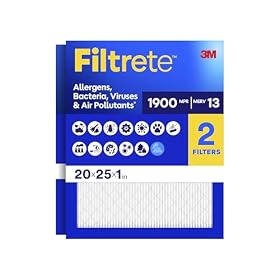
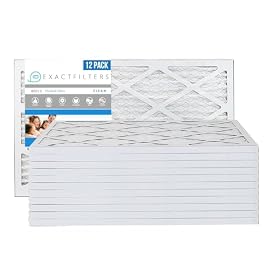
Replace a wet or water-damaged filter instead of drying and reusing it. Paper and synthetic filter media can lose shape, collapse, or hold contaminants after saturation.
Use the exact nominal size required by the equipment. The dimensions printed on the frame may be rounded, so do not assume that two filters labeled with the same nominal size fit identically. A filter that is too small can leak air around the edges; one that is too large can deform the rack or restrict airflow.
MERV rating also matters. Use the rating recommended by the furnace or air-handler manufacturer. A higher MERV filter is not automatically better if the system cannot move enough air through it. If the system has frozen repeatedly, avoid jumping to a substantially higher rating without confirming that the equipment and filter rack can handle it.
When to call an HVAC professional
Arrange service if:
- The evaporator coil freezes again
- Water returns after the drain is cleared or inspected
- The drain pan is cracked, rusted, or overflowing
- Water reaches wiring, controls, insulation, or the ceiling
- The filter becomes wet while the system is off
- You see refrigerant-line damage or suspect a refrigerant problem
- The blower is not operating normally
- You cannot identify where the water is coming from
A professional may need to inspect the coil, condensate system, blower, ductwork, refrigerant circuit, and safety switches. Refrigerant work and repairs inside many HVAC cabinets should be handled by a qualified technician.
When replacing the filter is enough
A new filter may be all you need if a small amount of moisture came from a one-time spill, the drain system is working normally, there is no ice or standing water, and the filter rack and airflow direction are correct. Monitor the system during the next cooling cycle.
If the replacement filter becomes damp again, do not keep buying filters as a workaround. Shut off cooling and resolve the water or airflow problem first. A damaged filter rack, recurring drain blockage, or repeated coil freeze is a repair issue—not a filter-selection issue.