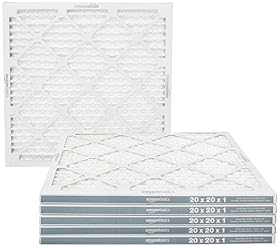
A furnace filter must not run with its plastic shipping wrapper on. Shut off the system, remove the wrapper, inspect the filter and housing, then check for signs that restricted airflow caused overheating or damage.
Installer left the plastic wrapper on the filter
If the plastic shipping wrapper is still covering your furnace filter, turn off the heating and cooling system and remove it before running the equipment again. Plastic around the filter blocks airflow, can make the furnace overheat, and may be pulled into the blower or folded into the filter slot.
A filter’s cardboard frame, printed label, or a thin protective film on a separate filter-grille component can be normal. The filter’s pleated media, however, must be exposed to air. When in doubt, follow the filter and furnace manufacturer’s instructions.
What to do immediately
Set the thermostat to Off. Do not simply lower the temperature; stop the call for heating or cooling.
Turn off the furnace or air handler at its service switch if the blower continues running. If you cannot identify the switch safely, use the appropriate HVAC breaker only if you know which circuit supplies the equipment.
Wait for the blower and heating components to stop. Do not reach into the furnace cabinet while it is operating.
Remove the filter and all loose plastic packaging. Check both faces, the edges, and the inside of the filter slot.
Inspect the filter. Replace it if the pleats are crushed, the frame is bent, the media is torn, or plastic has melted onto it.
Restart the system only after the airflow path is clear. Watch and listen for normal operation during the first cycle.
If you smell burning plastic, see melted wiring, hear scraping, find plastic inside the blower compartment, or notice that the furnace repeatedly shuts down, leave the system off and call a qualified HVAC professional.
Why the wrapper is a problem
The shipping bag protects a new filter during storage, but it is not part of the filter’s operating design. A sealed or mostly sealed filter can cause:
Weak airflow from the supply registers
A noisy return grille or whistling filter slot
Furnace high-limit trips and repeated shutdowns
Poor heating or cooling performance
Excessive blower strain
A frozen air-conditioning coil in cooling mode
Plastic being drawn toward the blower if the packaging tears
The exact risk depends on how much of the filter was covered and how long the system ran. A short accidental run does not automatically mean the furnace is damaged, but restricted airflow should be corrected promptly.
Product prices and availability are accurate as of the date/time indicated and are subject to change. Any price and availability information displayed on Amazon.com at the time of purchase will apply to the purchase of this product.
Check the filter and installation
Confirm the filter is the right way around
Look for the airflow arrow printed on the filter frame. It should point toward the furnace, air handler, or return-side blower—not toward the room. An incorrectly oriented filter may still pass air, but it can fit poorly or filter less effectively.
Make sure the filter is the correct size for the slot. Do not force an oversized filter into place, and do not leave a large gap around an undersized one. The nominal size printed on a filter may differ slightly from its actual dimensions, so the replacement should match the size specified by the existing filter, filter rack, or equipment manufacturer.
Check for leftover plastic in the return path
Use a flashlight to inspect the filter slot and the visible return duct. Remove only loose packaging that you can reach without opening the blower cabinet. Do not push plastic farther into the duct or reach near moving components.
If plastic has traveled beyond the filter and may be near the blower wheel, have an HVAC technician inspect it. A loose piece can restrict airflow, make noise, or damage the blower if it is pulled into the wheel.
Inspect the filter rack and seals
The filter should sit flat and seal reasonably well around its frame. A missing access-panel seal, damaged gasket, or open slot can allow unfiltered air to bypass the filter. A filter that rattles, bows inward, or will not stay in its track may indicate a damaged rack or an incorrect filter thickness.
Do not seal the filter with household tape in a way that prevents removal or blocks a required access panel. Use the equipment manufacturer’s approved sealing method or ask a professional to repair the rack.
Product prices and availability are accurate as of the date/time indicated and are subject to change. Any price and availability information displayed on Amazon.com at the time of purchase will apply to the purchase of this product.
Check whether restricted airflow affected the furnace
After installing an unwrapped, correctly sized filter, run one normal heating cycle while staying alert for problems. Stop the system and arrange service if you notice:
The furnace starts and stops repeatedly before reaching the thermostat setting
The blower is unusually loud or makes a scraping sound
Supply airflow remains weak at multiple registers
The system produces a burning smell after the first few minutes
The furnace’s rollout, limit, or other safety control trips
The thermostat shows an equipment fault code
Never bypass a furnace limit switch, rollout switch, door switch, or other safety device. These controls are there to prevent unsafe operation.
A furnace that overheated may reset after it cools, but repeated resets are not a repair. If the system will not restart normally, or if a breaker trips, leave it off and contact a qualified technician. Electrical diagnosis and work inside the furnace cabinet should be performed by someone qualified to do it.
Was the installer responsible?
If an installer left the shipping wrapper on an operating filter, document the condition with photos and contact the installer promptly. Ask them to inspect the filter rack, blower compartment, and furnace operation—not just remove the plastic. Keep the filter and packaging until the issue is resolved if there is any dispute about what happened.
The filter itself is normally a consumable item, but damage to the filter rack or HVAC equipment is a separate concern. Follow the installer’s warranty process and the furnace manufacturer’s maintenance requirements.
When to replace the filter
Replace the filter if it was damaged, became wet, was exposed to melted plastic, or cannot be returned to its original flat shape. Choose the same nominal size and a MERV rating that the furnace or air handler can support. A higher MERV number can capture smaller particles, but a dense filter may create more resistance than the system is designed to handle.
If the correct replacement filter quickly bows inward, whistles, or causes weak airflow, do not solve the problem by removing the filter. Have the filter size, rack, duct restrictions, blower setting, and system compatibility checked.
For future replacements, remove the filter from its shipping bag before installation and write the installation date on the frame. Replace it according to the equipment and filter manufacturer’s guidance, or sooner when it is visibly loaded with dust, construction debris, or pet hair.
FAQ
Can I run the furnace briefly with the plastic wrapper still on the filter?
No. Turn the system off and remove the wrapper first. Even a short run can severely restrict airflow, and the plastic could be drawn toward the blower.
What if the furnace ran for several hours with the plastic on the filter?
Remove the plastic, install an undamaged filter, and check for weak airflow, unusual noises, repeated shutdowns, burning smells, or fault codes. If any of these occur, leave the furnace off and have a qualified HVAC professional inspect it.
Should I remove plastic from the cardboard filter frame?
Remove the shipping bag and any loose packaging, but do not strip away the filter’s bonded frame or construction. The pleated filter media must be exposed, and the frame should remain intact.
Can I use a higher-MERV filter after this mistake?
Only if the furnace or air handler is designed to handle it. Higher-MERV filters can increase airflow resistance, so match the rating recommended by the equipment manufacturer or HVAC professional.