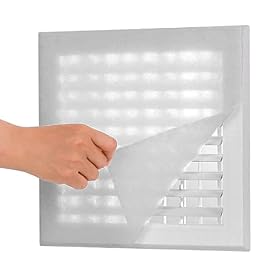
A furnace filter that loads up in two weeks during allergy season may be catching an unusually high amount of pollen and dust—but it can also point to air leaks, a poor fit, excessive HVAC runtime, or a filter that is too restrictive. Use these checks to find the cause before simply buying more filters.
A furnace filter filling up in two weeks during allergy season is often caused by heavier pollen, dust, and longer HVAC run times. Replace a visibly loaded filter, then check the filter’s fit, airflow direction, return-air openings, and nearby dust sources. If the replacement also becomes clogged quickly—or airflow is weak—look for an air leak, an undersized filter, or excessive pressure drop before switching to a higher MERV rating.
First, replace the filter if airflow is restricted
If the filter is gray, visibly coated, bowed, damp, or difficult to see through, replace it rather than trying to clean it. Disposable pleated furnace filters are not designed to be washed or vacuumed back to their original performance.
Turn off the furnace or air handler before removing the filter. Install the replacement with the arrow pointing toward the furnace or air handler. A filter that is installed backward can reduce airflow and may not capture particles as intended.
If the filter is wet, stop and investigate. Moisture can indicate condensation, a drain problem, or another HVAC issue that should be evaluated by a qualified technician.
Check these likely causes in order
1. Allergy season is creating a heavier particle load
High pollen counts, open windows, yard work, wildfire smoke, and more frequent cleaning can load a filter faster than usual. Pets that spend time outdoors can also bring pollen and dust inside.
A two-week replacement interval may be reasonable temporarily if the filter is genuinely full and indoor air quality improves after replacement. The key is whether the filter is evenly dirty and whether the system still has normal airflow.
Reduce the load by keeping windows closed during high-pollen periods, using kitchen and bathroom exhaust fans appropriately, placing a doormat at entrances, and grooming pets away from return-air openings. A portable air cleaner in a bedroom or other high-use room may also reduce the amount of airborne material reaching the furnace filter.
2. The filter is too restrictive for the system
A higher MERV rating captures smaller particles, but it can also create more resistance to airflow—especially in a thin 1-inch filter, a filter that is heavily loaded, or a system with a small return-air path. The filter’s MERV rating alone does not tell you whether it is suitable for your furnace.
Check the furnace, air handler, or owner’s manual for the approved filter type and maximum MERV rating. If the system specifies a particular filter resistance or airflow requirement, follow that guidance. Do not assume that a MERV 13 filter is automatically an upgrade for every system.
Possible warning signs of excessive restriction include:
Weak airflow from supply registers
A whistling or rushing sound at the filter
A filter that bows inward while the blower runs
Longer heating or cooling cycles
A furnace that overheats or repeatedly shuts down
A heat pump or air conditioner that develops icing
If these symptoms appear after installing a higher-MERV filter, return to the manufacturer-approved filter specification and have airflow checked if the problem continues.
3. The filter does not fit tightly
Measure the filter opening and compare it with the labeled size. The printed size may be a nominal size, while the actual filter dimensions are slightly smaller. That is normal, but there should not be large gaps around the frame.
Air can bypass a loose filter instead of passing through the media. This allows dust to enter the blower compartment and can make the filter appear to load unevenly. A filter that is too large may bend, collapse, or prevent the access panel from closing correctly.
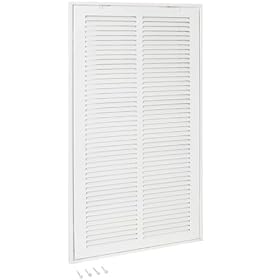
Replace a damaged filter rack, missing retaining clip, or badly fitting filter grille rather than forcing the filter into place. Small gaps in a properly designed filter slot may be sealable with an appropriate HVAC sealing material, but do not block access panels, drains, combustion openings, or other required ventilation.
4. Look for return-air leaks and unfiltered openings
A filter that is much dirtier on one edge or in one corner may indicate air bypass or a leak near the return side. Inspect visible return ducts, the filter cabinet, and the grille for gaps, loose joints, damaged insulation, or openings that allow dusty air to enter after the filter.
Do not use ordinary household tape as a long-term duct repair. HVAC foil tape or duct mastic is generally more appropriate for accessible duct joints, but repairs near the furnace, flue, gas components, or electrical controls should be left to a qualified professional.
If the house has multiple return grilles, confirm that each grille that requires a filter actually has the correct filter installed. Never add extra filters to return grilles unless the HVAC manufacturer or installer designed the system for them; additional filters can restrict airflow.
5. Confirm the setup and inspect nearby dust sources
Check that:
The filter is in the correct return-air location.
The airflow arrow points toward the furnace or air handler.
The filter door and access panel close fully.
No furniture, rugs, curtains, or storage items block return grilles.
Supply and return vents are open unless the system documentation says otherwise.
Construction dust, drywall dust, fireplace ash, or remodeling debris is not entering the return system.
If remodeling has recently occurred, use the filter type approved for the system and change it as needed while the dust source is controlled. Do not rely on an extremely restrictive filter to clean up a large quantity of construction dust; professional dust control and HVAC protection may be necessary.
6. Check whether the filter is simply too small for the airflow demand
A single thin filter may be doing too much work if the home has a large furnace, high cooling capacity, many return grilles, or an undersized return duct. A thicker media cabinet or a larger filter area can often provide the same particle capture with less airflow resistance, but that is an HVAC design change—not a drop-in filter substitution.
A technician can measure airflow and static pressure and determine whether the return system, filter cabinet, or ductwork needs modification. Do not enlarge a filter opening or alter the furnace cabinet without the correct parts and instructions.
Product prices and availability are accurate as of the date/time indicated and are subject to change. Any price and availability information displayed on Amazon.com at the time of purchase will apply to the purchase of this product.
Should you switch to a MERV 13 filter?
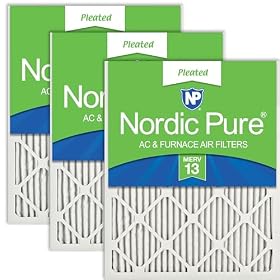
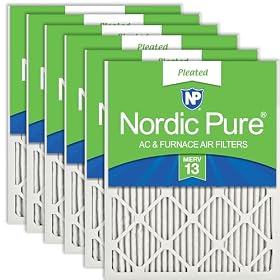
Not automatically. MERV 13 can capture more fine particles than lower-MERV filters, but suitability depends on the furnace or air handler, filter thickness, available filter area, and system airflow. A MERV 13 filter may be appropriate when the equipment manufacturer approves it and the system can maintain adequate airflow.
If allergy reduction is the goal, ask an HVAC professional whether your system can support MERV 13, particularly if it uses a 1-inch filter. A deeper filter cabinet, such as a properly designed 4-inch or thicker media filter, may offer more filter area and longer service life, but it must match the cabinet and system.
Do not keep using a filter that causes weak airflow, unusual noise, furnace limit trips, or air-conditioner icing just because it has a higher MERV rating.
Product prices and availability are accurate as of the date/time indicated and are subject to change. Any price and availability information displayed on Amazon.com at the time of purchase will apply to the purchase of this product.
How often should you check the filter?
During severe allergy season, inspect the filter weekly rather than relying on a fixed calendar interval. Replace it when it is loaded enough to restrict airflow or when the manufacturer’s schedule calls for replacement. Homes with pets, smokers, occupants with respiratory sensitivities, frequent window opening, or nearby construction may need more frequent changes.
A clean-looking filter is not a perfect measurement of performance, and a dark filter is not always dangerously clogged. Use visible loading, airflow symptoms, the filter manufacturer’s guidance, and the HVAC equipment instructions together.
Product prices and availability are accurate as of the date/time indicated and are subject to change. Any price and availability information displayed on Amazon.com at the time of purchase will apply to the purchase of this product.
When to call an HVAC professional
Arrange professional service if a new, correctly installed filter loads in a few days, becomes wet, collapses, or is dirty on only one side. Also call if the furnace short-cycles, shuts down on a limit fault, makes new noises, produces weak airflow, or causes the air conditioner to freeze.
A professional can check duct leakage, blower operation, static pressure, coil condition, return sizing, and filter-cabinet design. If the problem is limited to a poor fit or damaged filter rack, a replacement rack or grille may be enough. If the system is consistently starved for air or the blower and controls are failing, repair or replacement may be more sensible than repeatedly buying filters.
Do not remove furnace panels, bypass safety controls, or work around gas burners and high-voltage components unless you are qualified and following the manufacturer’s service procedure.
FAQ
Is it normal for a furnace filter to fill up in two weeks during allergy season?
It can be normal during high-pollen periods, especially in homes with pets, open windows, smoke, construction dust, or long HVAC runtimes. Replace the filter and monitor airflow. If the replacement loads within days or the system develops weak airflow or unusual noises, investigate leaks, fit, and pressure drop.
Does a dirty furnace filter mean I need a higher MERV rating?
No. A dirty filter usually means it has captured particles, not that its MERV rating is too low. A higher MERV filter can increase airflow resistance, so use only a rating approved for your furnace or air handler.
Why is my furnace filter dirtier on one side?
Uneven loading can result from air bypass around the filter, a loose filter rack, a damaged frame, return-duct leaks, or airflow that is not distributed evenly. Check the fit and visible return side, then have the system inspected if the pattern continues.
Can I vacuum or wash a disposable pleated furnace filter?
No. Disposable pleated filters should generally be replaced, not washed. Vacuuming may remove loose surface dust but will not reliably restore the filter’s intended airflow and particle-capture performance.
Would a thicker filter last longer?
A properly designed deeper filter can provide more media area and potentially a longer service interval with lower resistance, but it must fit the filter cabinet and be approved for the HVAC system. A thicker filter cannot simply be forced into a 1-inch slot.